Choosing the Best Gravel for Your Driveway
A new driveway is one of those jobs where the finish only tells half the story. What lies beneath matters just as much, and getting it wrong means shifting stone, pooling water and a surface that looks tired within a year or two. If you're weighing up options, choosing the best gravel for your driveway comes down to understanding what each layer needs to do, not just which stone looks nicest on top.
That's what we'll walk through here, starting with the fundamentals that make any gravel driveway perform well over time.
What Makes a Good Driveway Gravel Work Hard
A driveway has to support the weight of vehicles, stay exactly where it's put, drain water away quickly, and resist rutting and potholes forming under regular use. Choosing the best gravel for your driveway means picking material suited to those four jobs, not just whatever looks good.
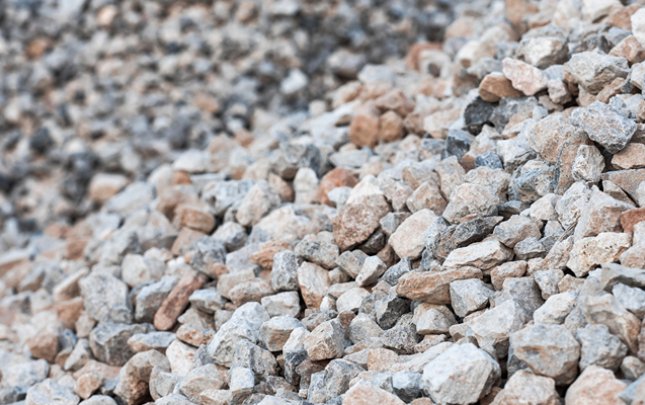
This is why angular crushed stone driveway material is usually the better structural choice over smooth, rounded gravel. The jagged edges lock together under pressure, creating a firm surface that holds its shape. Rounded stone, by contrast, tends to roll and shift, which is fine underfoot in a garden but less forgiving under a car.
Drainage plays an equally important role. A slight fall or crown across the surface lets water run off rather than sit, since standing water is what accelerates erosion, potholes and stones working loose over time.
Building the Right Layers for Your Driveway
A gravel driveway isn't one material laid straight onto soil. It's built in layers, each doing a different job, and getting this build right is what separates a driveway that lasts decades from one that needs constant patching.
Gravel for driveways typically works best across three stages:
- Base Layer: Large angular crushed stone or quarry-type material, usually a gravel driveway sub-base MOT Type 1 installation, creates a stable foundation and helps water drain rather than collect.
- Middle Layer: medium-sized crushed stone fills voids between the coarse base and the finer surface, adding stability and helping the whole structure lock together.
- Top Layer: Smaller crushed stone, pea gravel or decorative aggregates finish the surface, giving you the look and texture you actually walk and drive on.
Each layer supports the one above it, so skipping a stage or skimping on depth tends to show up as problems later, not immediately.
How Deep Should Driveway Gravel Be, and What Does It Cost?
How deep should driveway gravel be? This depends on which layer you're looking at. As a general guide, the base layer needs the most depth to spread vehicle weight properly, the middle layer is thinner, and the top layer only needs enough coverage to look finished and stay put underfoot. Skimping on any one layer to save material is usually a false economy, since a shallow base is far more likely to rut or shift under regular traffic.
Gravel driveway cost per m2 varies depending on the stone type, how many layers your project needs, and the size of the area being covered. Decorative aggregates and pea gravel finishes tend to sit at different price points to standard crushed stone, so it's worth thinking about budget alongside performance when choosing the best gravel for your driveway. A driveway built with the right depth from the outset costs less over its lifetime than one that needs regular topping up or repair.
Pea Gravel vs Crushed Stone: Which Wins for Durability?
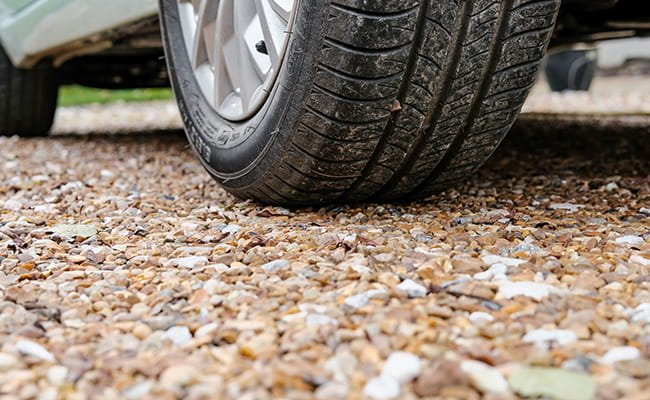
This is often where the pea gravel driveway pros and cons come into sharpest focus. Pea gravel looks attractive, feels pleasant underfoot, and works well as a decorative top layer. Its smooth, rounded shape is exactly what makes it less suited to heavy use though, since round stones move more easily under tyres than angular ones.
For most durable driveway gravel, angular crushed stone or granite chippings tend to win out, particularly on slopes or driveways with frequent vehicle use. The interlocking shape resists rolling and stays where it's laid, which matters most if you're after the best gravel for driveway that won't move.
If you like the look of pea gravel, it doesn't have to be ruled out entirely. Using it as a thin decorative top layer over a properly built angular base gives you the appearance you want, without asking a structural layer to do a job it isn't shaped for.
Getting the Installation Right
The material you choose only performs as well as the installation underneath it. Most driveways need enough excavated depth to accommodate multiple layers, since squeezing a full build into a shallow dig compromises drainage and load bearing from day one.
A geotextile or landscaping membrane, laid before any crushed stone driveway material goes down, stops the gravel mixing with the soil beneath and helps reduce weed growth pushing through over time. It's a small step that makes a noticeable difference to how long the surface performs well.
Edging is worth including too. Whether it's a simple timber or metal border, edging keeps gravel contained rather than spreading onto lawns or paths, and it gives the finished driveway a cleaner, more defined edge. Granite chippings for driveway finishes in particular benefit from solid edging, since their angular shape can otherwise migrate outwards with regular use.
Keeping Your Gravel Driveway Looking Its Best
A gravel driveway isn't maintenance-free, but the upkeep it needs is straightforward once you know what to look for. Keeping on top of a few simple tasks protects the investment you've made and keeps gravel for driveways looking sharp for years:
- Rake regularly to keep the surface evenly distributed and maintain that slight crown that helps water run off rather than pool.
- Top up thinning areas where material has spread or compacted over time, particularly near entrances and turning points.
- Check drainage periodically, since blocked or poor drainage is what leads to erosion and potholes if left unaddressed.
- Manage weeds even where a membrane is in place, as occasional growth can still appear and is easiest to deal with early.
Gravel driveway cost per m2 for materials is only part of the picture. Factoring in occasional maintenance from the start, rather than treating it as an afterthought, is what keeps a gravel driveway working in your favour long term.
Ready to Get the Right Gravel Down?
We've been supplying sand and gravel from our Dorset quarry for over 60 years, and we know what performs well on driveways across the South Coast. Whether you need crushed stone for a structural base, decorative aggregates for the finish, or a full grab hire delivery to get materials on site, we're happy to talk through what suits your project.
If you've settled on the best gravel for your driveway and you're ready to order, get in touch on 01258 857465, fill in our contact form, or order your materials online.