29 May

Gravel Driveways: Pros, Cons, and Choosing the Right Type

Is your driveway due for an upgrade, but you’re unsure where to start?

Imagine a clean, attractive entrance to your home, edged with colourful plants and crunching softly underfoot. If that sounds like your kind of welcome, a gravel driveway could be exactly what you need.

Whether you're dealing with cracked concrete, surface puddles, or just want something with a bit more character, we understand the challenge. This guide covers the pros and cons of gravel driveways, shows you how to choose the right one, and gives practical tips to keep it looking fantastic.

At MB Wilkes, we supply high-quality materials and expert advice to help you every step of the way in creating a modern gravel driveway.

The Upsides of Gravel Driveways

When it comes to practical, stylish drive solutions, gravelled driveways tick a lot of boxes. They’re affordable, easy to maintain, and endlessly customisable. With so much going for them, it’s easy to see why gravel is such a popular material.

Here’s why a stone driveway might be the right choice:

  • Affordability: One of the most cost-effective surfacing options. You’ll save money on both materials and installation.
  • Low Maintenance: No need for sealing or power washing. A simple rake and occasional top-up is often enough.
  • Visual Versatility: From rustic Cotswold chippings to sleek basalt, there's something to suit every home.
  • Weather Resistance: Gravel holds up beautifully in both scorching sun and frosty winters.
  • Added Security: The crunch of tyres or footsteps on gravel can help alert you to visitors (welcome or not).

Explore our wide range of driveway gravel, shingle and pebbles to discover your perfect match.

The Drawbacks of Gravel Driveways

Now, let’s look at the other side. While modern gravel driveways offer plenty of perks, they’re not entirely hassle-free. It’s worth considering the cons of gravel, as this could very well highlight a possible dealbreaker that might make an alternative option more appealing.

  • Dust: Especially in dry conditions, dust can kick up with passing vehicles. This can settle on cars, windows, and nearby plants.
  • Stone Shifting: Over time, gravel can migrate and form dips, ridges, or even bare patches.
  • Weed Growth: Weeds can push through the surface if not properly managed.
  • Loose Stones Underfoot: Smaller gravel pieces can get caught in shoes or dragged into your home. Not Ideal for Snow or Ice: In winter, clearing snow or ice from a gravel surface is trickier than with tarmac or paving.

Popular Gravel Types for UK Driveways

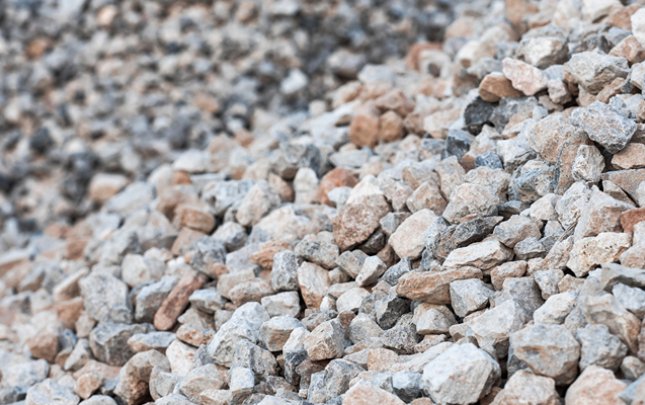
At MB Wilkes, we stock a variety of types of gravel for driveways and more. We have decorative aggregates that suit different styles and needs, such as blue slate. Blue Slate has a subtle grey-blue tone that shifts with the light, making it ideal for a cool, contemporary stone driveway.

Shingle is the classic choice, offering a golden hue with flecks of black and white. It blends beautifully with traditional and countryside homes. Or you might opt for Red Granite which stands out with a bold, warm terracotta tone. It’s hard-wearing and perfect for high-traffic areas.

Another great option is Cotswold Chippings with their creamy gold finish, great for softening the look of a property and adding that rural charm. Or there’s Recycled Gravel, which is the sustainable option. Made from crushed concrete or asphalt, it’s eco-conscious, tough, and still great-looking.

You can view our full gravel range here and see which style works best for your driveway.

How to Choose the Right Gravel for Your Driveway

With so many options, narrowing down your ideal gravel takes a bit of thought. Here’s what we recommend considering when weighing up the pros and cons of gravel driveways:

  • Size Matters: Larger stones (e.g. 20mm) are better for driveways as they lock together more securely.
  • Match Your Home’s Style: Go for something warm and natural for cottages, or a clean grey for modern looks.
  • Consider Durability: High-traffic areas need tougher, more compact gravel like red granite or basalt.
  • Think Drainage: Most gravelled driveways are naturally permeable, but layering properly ensures no puddling.

Still unsure? Get in touch for tailored advice – we’re happy to help you choose.

How to Maintain Your Gravel Driveway

Even the most low-maintenance option needs a bit of care. If you’re wondering how to make a gravel driveway solid, it’s all about regular upkeep.

Rake it often to keep the stones evenly distributed. Keep a bag or two of the same gravel on hand to fill in any low spots. And make sure to stay on top of weeds by using a membrane underneath and treating growth as it appears.

Whether you prefer a rustic feel or a modern gravel driveway, proper maintenance will keep it looking fresh for years.


Get in Touch and Start Planning Your Modern Gravel Driveway

Ready to transform your driveway with a beautiful new finish? At MB Wilkes, we’re here to make it easy. Whether you’re starting from scratch or refreshing an existing surface, we supply everything you need – including expert advice, small load collections, small load delivery, and a full range of gravel types to suit any look.

We’ve been family owned for over 60 years, and we’re proud to be one of the UK’s leading names in landscaping materials. Great service, top quality products, and competitive prices come as standard.

To speak with our friendly team, give us a call on 01258 857465 or send us a message via our contact form. We’d love to help you design a modern gravel driveway that looks fantastic and lasts for years.
More general

13 May
The Ultimate Guide to Using Decorative Stones in Your Garden
Looking to refresh your outdoor space but unsure where to start? Picture a garden with structure, texture and colour, all brought to life with the clever use of decorative stones. From pebbles and gravel to slate and shingle, these versatile materials offer endless landscaping ideas to suit every style and function. In this ultimate guide, we’ll share practical, expert-backed tips for landscaping with decorative stones - helping you overcome common challenges and choose the right solution with help from our quality products and knowledgeable team. Types of Decorative Stones and Their Best Uses When it comes to landscaping with aggregates, it’s important to understand which type of decorative stone suits your space and how each material performs. While they all offer visual appeal, different stones bring different benefits - and some limitations too. Here’s a closer look at four of the most popular choices. Pebbles Naturally smooth and rounded, coloured pebbles are gentle underfoot, making them a great option for garden paths when paired with landscape fabric. They're equally effective around water features, in plant pots, or as soft-edged borders that help define different areas of your garden. Their texture adds subtle contrast, but they’re best avoided for driveways as they shift easily under pressure. Gravel and Shingle Gravel and shingle are among the most durable and cost-effective materials for outdoor spaces. Their rough surface provides grip, making them ideal for driveways and garden paths. They don’t crack or sink like other hard surfaces, and they’re also excellent for improving drainage, particularly in areas prone to waterlogging. We often recommend rainbow shingle to enhance water features with eye-catching colour. Slate Slate offers a bold, contemporary finish. Its flat, angular pieces work well in borders and around patio edges or ponds, where they bring a striking, modern aesthetic. However, slate is too sharp and brittle for driveways and may damage tyres over time. Stone Paving For those looking to create a dining or seating area, natural stone paving is a solid choice. It’s flat, durable, and available in a range of finishes to suit every garden design. Perfect for patios and entertaining outdoors. We supply a wide selection of decorative stones for gardens. Ideas, advice, and support - we’re always here to help at MB Wilkes. Design and Styling Ideas When it comes to landscaping with decorative stones, the right design choices can completely transform your garden. Here are some creative, practical ways to use stones to enhance both style and structure: Garden Zoning with Colour: Use different coloured stones to mark out distinct zones in your garden – perfect for separating a natural, wildlife-friendly area from a neat, structured space. Light and dark stones can be used to create contrast, helping to highlight your planting choices and give each section its own identity. Paths and Walkways: Pebbles or gravel make attractive, low-maintenance paths. For a more polished look, add stepping stones or edging to define the route. This not only guides foot traffic but can also give the illusion of a longer, more spacious garden. Borders: Decorative stones form clean, natural borders around flowerbeds and along paths. For a coastal-inspired feel, rounded coloured pebbles are ideal, while Cotswold cobbles create a traditional, countryside finish. Both options help contain planting while adding character. Water Features: Rainbow shingle or smooth pebbles enhance the visual appeal and sound of any water feature. Whether it's a pond, fountain, or stream, stones add colour and definition while supporting the natural look of your setup. Driveways: For a functional and stylish entrance, gravel or shingle is an affordable alternative to tarmac. Popular choices include golden shingle for a warm, traditional look, blue slate for a modern touch, or limestone for a more refined finish. We supply only the best pebbles for garden use, tailored to suit every style and purpose. Functional Benefits Landscaping with decorative stones isn’t just about looks - it offers real, long-lasting benefits too. Here are three practical reasons to consider landscaping with aggregates in your garden: Drainage: Gravel and shingle are excellent for managing excess water. If you’ve got soggy patches on your lawn, waterlogged flowerbeds, or areas near buildings prone to pooling, these materials help water drain away efficiently, protecting both plant health and property foundations. Weed Control: Decorative stones provide a natural barrier against unwanted growth. When laid over geotextile fabric, they form a strong layer that blocks sunlight and prevents weeds from taking hold, reducing the need for constant maintenance. Soil Protection: Heavy rain can wash away topsoil, especially in beds and pots. A covering of decorative stone helps anchor soil in place, reducing erosion while keeping your garden looking tidy. All practical, all simple, and all part of thoughtful, effective landscaping with decorative stones. Feature Ideas: The Rockery If you're looking for low-maintenance landscaping ideas with maximum impact, a rockery is a brilliant choice. Combining stones of different sizes with hardy alpine plants, a well-placed rockery brings texture, colour and natural structure to your garden. Choose a sunny, well-drained spot and take time to pre-arrange your rocks before planting to make sure the layout feels balanced. Plants like crocuses, tulips and dianthuses add seasonal bursts of colour and are easy to care for. With minimal upkeep and lasting visual appeal, a rockery is a timeless feature that works beautifully in gardens of all sizes. Get Expert Help Choosing the Right Decorative Stones for Your Garden Decorative stones offer style, structure and real practicality, from low maintenance surfaces to improved drainage and effective weed control. Whether you're after bold borders, a new path or a full garden refresh, landscaping with decorative stones is a smart, versatile choice. We’ve been a trusted, family-run quarry for over 60 years, supplying quality materials at competitive prices. Call us on 01258 857465 or use our contact form for expert advice tailored to your project.
Read more
9 Apr
Your Projects Brought to Life: Before and After Using Our Gravel
Selecting the right gravel for your property can significantly affect appearance, durability, drainage and maintenance. At MB Wilkes, we specialise in supplying and installing high‑quality primary sands and gravels - from decorative shingle and chippings to robust planings and crushed stone - tailored to the unique requirements of every customer. With decades of experience serving homeowners, property managers and businesses across the UK, we understand how material choice, particle size and finish can transform driveways, pathways, patios and more. In this blog, we’ll showcase some recent projects, with images courtesy of CW Stanley who executed the work using our products. With an array of options available, our aggregates will deliver lasting results, enhancing kerb appeal while offering excellent value for money. New Driveway in Merley, Wimborne What a difference a day makes! In Merley, Wimborne, CW Stanley transformed a tired tarmac driveway into a crisp, low‑maintenance surface in just one day. After removing the existing worn surfacing and installing a durable geotextile membrane for weed control and drainage, their team laid a neat charcoal block‑paving edge before spreading our 20 mm Dorset Limestone chippings. The result is an attractive, uniform finish that enhances kerb appeal, improves water runoff and eliminates patch repairs. The customer chose Dorset Limestone chippings for their hard‑wearing quality, natural appearance and cost‑effective longevity - a perfect solution for a hassle‑free driveway upgrade. A Mega Undertaking in Poole, Dorset A mega driveway transformation in Poole, Dorset, was completed in just 1.5 days using our 20 mm Ice Blue decorative gravel, laid over a geotextile membrane to ensure excellent drainage and weed suppression. Crisp concrete kerb stones neatly define the driveway’s boundary, while a smooth asphalt parking bay provides a practical contrast. The finished surface delivers striking kerb appeal, low maintenance and long‑term durability for two neighbouring properties. By combining MB Wilkes’ premium Ice Blue chippings with CW Stanley’s efficient installation, this project achieved exceptional value, performance and a standout aesthetic in record time. A Beautiful Result in Poole, Dorset What a beautiful frontage this is now! CW Stanley completed a stunning driveway transformation this week at a property in Poole, Dorset. After removing the old, uneven gravel and preparing a stable, compacted sub‑base with a geotextile membrane for superior drainage and weed control, crisp grey block paving was installed to define the driveway’s perimeter. Our 20 mm Polar Ice decorative chippings, were laid to a uniform depth, delivering a striking, low‑maintenance finish. The work significantly improved kerb appeal while extending and boosting practical performance - all achieved in minimal time, at exceptional value. A Tasteful Finish in Colehill, Wimborne In just two days, CW Stanley completed a tasteful driveway and frontage transformation at a property in Colehill, Wimborne. After removing old paving and uneven gravel, the team installed a compacted sub‑base topped with a geotextile membrane for superior drainage and weed suppression. Concrete block‑paving edging defines the perimeter, creating a neat, professional finish. Our team supplied 20 mm Quantock Grey decorative chippings, which were laid to a consistent depth to deliver a striking, low‑maintenance surface. The result is enhanced kerb appeal, excellent durability and a practical, value‑adding upgrade. Why Should You Choose MB Wilkes? When it comes to sourcing high‑quality aggregates, MB Wilkes stands head and shoulders above the competition. As a family‑owned sand and gravel quarry based in Dorset, we combine decades of local expertise with the largest product range on the market - from decorative gravels and garden stones to specialist sands, soils and construction materials. Our team of aggregate specialists possesses unrivalled knowledge, enabling us to recommend exactly the right material for any project, whether you’re a homeowner upgrading your driveway or a national developer specifying bulk supplies. MB Wilkes’ reputation for excellence extends across councils, utility companies, sports grounds and public landscaping schemes, reflecting our ability to deliver consistently outstanding service to clients of every scale. Thanks to our strong industry relationships, we offer competitive, transparent pricing without compromising on quality - meaning you benefit from premium materials at the best value. We also make waste disposal straightforward with our inert tip facility, while our versatile fleet of tipper lorries and grab trucks ensures precise, reliable deliveries direct to your site. Above all, our commitment to exceptional customer service means clear communication, punctual delivery and meticulous attention to detail from enquiry through to completion. Whatever your aggregate requirements, MB Wilkes guarantees the highest quality products, unbeatable expertise and complete peace of mind - all delivered from the heart of Dorset. Get in Touch With the Experts Ready to transform your project? Browse MB Wilkes’ full range of decorative aggregates, garden stones, sands and soils on our website and place your order in minutes. For personalised advice, competitive quotes or any enquiries, simply give our friendly team a call on 01258 857465 or complete our quick contact form. Whether you need delivery to your doorstep or guidance choosing the perfect product, we’re here to help - offering expert support, transparent pricing and reliable service across Dorset and beyond. Don’t wait - get in touch with MB Wilkes today and discover why we’re the UK’s leading supplier of high‑quality aggregates now.
Read more
15 May
Summer Gardening Tips and Tricks
The summer months are a busy time for gardeners, as gardening offers a great opportunity to enjoy those long, warm days and evenings. Despite most of the planting of flowers and vegetables being done earlier in the spring, there is plenty to be done over the summer. May and June are ideal times for bedding plants to be planted out, raising foliage plants, and sowing several outdoor seed varieties, including Alstroemeria, Achillea, Arabis, Canterbury Bells, Coreopsis, Erigeron, Myosotis and Sweet William. Weather can be unpredictable during these months, so during May, you want to protect more vulnerable plants with a horticultural fleece, which you can remove in June. As the threat of frost should have passed by June, it is the ideal time to plant bedding plants grown under cover either into borders or into hanging baskets and containers. Late-flowering Annuals Throughout May, you should sow late-flowering annuals such as Nasturtiums under glass. You can expect them to flower from August onwards if you sow them in early May. You may also want to sow fast-maturing annuals, like Clarkias and Calendulas. You will be able to enjoy them blooming throughout the summer, which will add an extra splash of colour to your garden. Don't forget to add some water gel crystals and slow-release fertiliser to your compost when planting. Who doesn't love a Dahlia? Use your time in May to plant Dahlia bulbs, but protect them from slugs. This will also work with your regular gardening jobs of watering, mowing and weeding. Don't forget to spruce up your window boxes too. Check that you have enough topsoil before doing this to ensure a smooth and easy process. Tidy Up June is usually a time for you to dedicate a few minutes to tidying up parts of your garden. Dead foliage should be removed from spring flowering bulbs, excluding daffodils and tulips, which should be left a little longer to die back naturally. Trim or throw away any faded plants and keep on top of your weeding, with a particular focus on your borders and beds. Install Protection Fruits bushes and trees should be inspected carefully to check for pests and diseases and treated if necessary. Soft fruit bushes, such as currants and strawberries, should be protected by a fruit cage or netting to prevent birds from eating the fruit. Carrots should be protected from carrot fly, and cabbages from caterpillar damage by covering them with protective materials. If you are keeping some plants in a greenhouse to keep them safe, they need to be kept well-ventilated during the day as extreme variations in temperature could adversely affect the fruiting of tomato plants. In addition, tapping the flowers of greenhouse tomatoes will improve pollination. Uncover Fruit and Vegetable Strawberry bushes that have been kept under glass should now be uncovered so that pollinating insects can gain access to them. Vegetables such as brussel sprouts, cabbage, celery, courgettes, cucumbers, marrows, runner and French beans that have been grown in a greenhouse should also now be planted out. Don't forget to keep them hydrated and keep the soil as moist as possible. If you have vegetables like marrows, peppers, tomatoes and courgettes, ensure that these are hardened off before you look to plant them outside. Mow Grass Regularly May is the start of the mowing season, and you will need to mow your grass more regularly and ensure that your mower blades are kept sharp. Water Regularly May through September can be hot and dry, so remember to water plants regularly to avoid wilting. To aid drainage, a layer of gravel or shingle is a great solution that also offers a touch of style and texture to your garden area! Renovate Your Garden Summer is also a great time to landscape your garden by adding some raised plant beds using sleepers or even fitting a paved section to create the perfect space for garden furniture.
Read more

Most Recent Stories

21 Jan
How Much Sub-Base Do I Need for My Project?
Ever stood in your driveway with a tape measure, wondering if you're about to order way too much material or nowhere near enough? If the first question that comes to mind is “how much sub-base do I need?”, then hopefully this blog will have you covered. We're going to answer that question with a simple, reliable formula that takes the uncertainty out of ordering. And you can trust that we know what we’re talking about. At MB Wilkes, we've been supplying sub-base materials across the UK for over 60 years, offering both delivery and quarry collection so you can get exactly what you need, when you need it. Understanding Sub-Base and Its Uses Sub-base is the unsung hero of any solid construction project. It's the compacted foundation layer that sits beneath your finished surface, distributing weight evenly and preventing your driveway, patio, or pathway from cracking, sinking, or shifting over time. Skipping the use of sub-base materials can lead even the most beautifully laid paving to eventually fail. We recommend it for driveways, patios, garden paths, shed bases, and any foundation work where long-term stability matters, making it an essential first step in groundwork that simply can't be skipped. Common Types of Sub-Base Material When you're choosing between sub-base aggregates, the two main options you'll encounter are MOT Type 1 and MOT Type 3, each designed for different applications depending on the load requirements of your project. MOT Type 1 consists of crushed concrete or limestone, like our Type 1 Mendip, that's been carefully graded to create a dense, stable base when compacted. It's the workhorse of sub-base materials, ideal for driveways, heavy-duty patios, and any area that'll bear significant weight from vehicles or foot traffic. The angular particles lock together beautifully under compaction, creating a solid foundation that won't shift. MOT Type 3 (often called scalpings), such as Type 3 Limestone, is a finer material made up of smaller crushed stone and dust. While it still provides excellent compaction, it's typically used for lighter applications like footpaths, shed bases, or as a blinding layer over MOT Type 1. It's also brilliant for filling gaps and levelling surfaces before your final paving goes down. How Much Sub-Base Do You Need – The Simple Formula So, onto the question of “how much sub-base do I need for type 1?” The sub-base calculation couldn't be more straightforward. Take your area in square metres Multiply by your depth in millimetres divided by 1,000 Multiply that result by 2.2 to get the tonnes you'll need Equation: Area (m²) × Depth (mm ÷ 1,000) × 2.2 = Tonnes That 2.2 figure represents the density of compacted sub-base, converting your volume into actual weight for ordering purposes. Bear in mind that materials typically compress by 25–30% when a plate compactor is used. It is standard industry practice to add 5–10% extra to the final tonnage to account for uneven subgrades or spillage during the work. Alternatively, you might be asking “how much sub-base do I need for type 3?”. In short, the calculation remains the same, you simply adjust the density from 2.2 down to 1-8 – 2. Step-by-Step Calculation Example Let's work through how much sub-base you’ll need for a typical driveway measuring 20m² at 100mm depth. First, we calculate 20 × (100 ÷ 1,000) × 2.2, which gives us 20 × 0.1 × 2.2. That works out to 4.4 tonnes. Since our bulk bags typically hold around 850kg each, you'd need approximately seven bags to cover this area comfortably, allowing for a bit of overage during compaction and levelling and some wastage. Recommended Depths for Different Projects Understanding how much sub-base you need depends entirely on what you're building and the load it'll carry. Different applications require different foundation depths to perform properly over time. Driveways and Vehicle Access: Aim for a driveway sub-base depth of 150-200mm to support the weight of cars and regular traffic without settling or rutting. Patios and Footpaths: A patio sub-base depth of 75-100mm provides sufficient support for pedestrian use whilst keeping material costs reasonable. Shed Bases: Between 75-100mm works well for garden buildings and lighter structures that won't experience heavy loading. Heavy-Duty Applications: For commercial drives or areas with frequent heavy vehicle access, go for 200mm or more to ensure long-term durability. Ordering Your Sub-Base from MB Wilkes If you’re asking yourself, “how much sub-base do I need?” and you’re still unsure, we’ll be happy to advise you. Either way, ordering from us couldn't be easier. We offer bulk bag (850kg) deliveries for smaller residential projects like patios and paths, which are perfect when you need precise quantities and easy handling. For larger builds such as driveways or extensive groundwork, loose loads delivered by the tonne offer better value and faster coverage, letting you tackle substantial areas without constantly restocking materials. Our Sub-Base Material Options We stock a comprehensive range of sub-base materials to suit every application. Our MOT Type 1 limestone and crushed concrete options provide that rock-solid foundation for driveways and high-traffic areas, compacting down beautifully to create a level, stable base. For lighter projects, our MOT Type 3 scalpings offer excellent value while still delivering the compaction you need for paths and shed bases. Each material is quality-checked and ready to perform exactly as it should, giving you confidence in your groundwork from the very first layer. Delivery and Collection We deliver across our coverage area with flexible scheduling to match your project timeline. Minimum order quantities apply for delivery, so do give us a ring to discuss your specific requirements. If you're a trade customer or need materials immediately, you're welcome to collect directly from our quarry using our weighbridge service, which means you can load up and get straight back to site without waiting for delivery slots. Tips for Ordering the Right Amount Even with an accurate calculation, there are a few practical considerations that'll help you order the perfect quantity of sub-base aggregates for your project without ending up short or with too much leftover: Add 5-10% Extra: Compaction always uses more material than you'd expect, and uneven ground or small wastage during installation means a buffer ensures you won't run out mid-project. Round Up to Full Bags: If your driveway sub-base depth calculation gives you 4.4 tonnes, order five bags rather than four to account for variations in coverage. Consider Access: Tighter spots or areas with awkward levels might require more material for proper compaction, so factor in your site conditions. Account for Edging: Your patio sub-base depth extends slightly beyond the finished surface, so measure generously rather than cutting it fine. Get Your Sub-Base Delivered Today Now you've got the formula and know exactly what you need, it's time to get your project moving. Calculate your requirements, then give us a call on 01258 857465 or fill in our contact form to place your order. As one of the UK's leading suppliers with over 60 years of family-owned expertise, we deliver quality sub-base materials at competitive prices straight to your site. Order today and let's get your groundwork sorted.
Read more
13 Nov
How can soils and aggregates stop flooding?
If you're wondering how to stop garden flooding, whether you're a keen gardener or managing farmland, we've got a straightforward seven-step plan that works brilliantly. British weather can be unpredictable, and those heavy downpours are inevitable, but improving your soil structure makes all the difference. At MB Wilkes, we know a thing or two about soils and aggregates. Following these seven simple steps will help reduce flooding risks and keep your outdoor space in top condition, so you can focus on what matters most: enjoying your garden or growing successful crops year after year. 1. Minimise Tillage So, how does soil prevent floods? It all starts with tillage. When you minimise soil disturbance, you're helping it develop better structure and aggregation, which means it acts like a natural sponge during heavy rainfall. Well-structured soil absorbs and retains water brilliantly rather than letting it run off and cause flooding. Reduced tillage also preserves organic matter, which is fantastic for improving water-holding capacity and overall soil health. The more organic matter your soil contains, the more water it can store, keeping your garden or farmland protected during those inevitable British downpours. 2. Limit Farm Traffic If you're wondering how to stop a clay garden flooding, timing your farm traffic makes a real difference. Heavy machinery like tractors and combines compacts the soil, reducing pore space and making water infiltration much harder. Compacted soil behaves like a hard surface, increasing runoff during rainfall and worsening flooding risks. By limiting traffic to dry periods and avoiding movement when conditions are wet, you'll maintain better soil structure that absorbs water more effectively. It's a straightforward step that protects your soil's natural drainage capacity and keeps your land in better condition year-round. 3. Manage Drainage Proper drainage management is essential for preventing flooding in both rural and urban settings. A well-designed drainage system redirects water flow away from vulnerable areas that are prone to waterlogging, protecting your soil and plants from excess moisture. Whether you're managing a large farm or a residential garden, effective drainage prevents water from accumulating in problem spots and causing damage. By channelling water to appropriate areas, you maintain healthier soil conditions and reduce the risk of standing water that can harm crops, plants, and landscape features during periods of heavy rainfall. 4. Use Cover Crops, Green Manures and Mulches Knowing how to stop garden flooding often comes down to what you plant between your main crops. Cover crops, green manures, and mulches are brilliant for improving soil structure and reducing water runoff. As they decompose, they add valuable organic matter that helps soil absorb more water, preventing surface flooding during heavy rain. These protective layers also shield bare soil from rainfall impact, minimising crusting and allowing better water infiltration. Here's what they offer: Enhanced soil structure and water retention Reduced surface runoff and erosion Improved organic matter content Better water penetration during downpours 5. Use Grass Leys to Improve Organic Matter Grass leys (fields planted with grasses and legumes) are fantastic for enriching soil and great if you’re wondering how to stop garden flooding naturally. As these plants decompose, they add organic matter that creates better soil structure capable of holding more water during heavy rainfall. The extensive root networks they develop promote soil aggregation while reducing compaction, leading to improved water infiltration and storage. Well-structured soil equipped with this organic boost handles excess water far more effectively, significantly reducing surface flooding risks. It's a natural, sustainable approach that benefits both your soil health and flood prevention efforts. 6. Use Plants with Large Roots Another trick if you’re wondering how to prevent your garden from flooding is to use plants with large roots. Large roots create natural channels within the soil, improving structure by increasing pore space and reducing compaction. This enhanced structure allows better water infiltration, meaning your soil holds more water instead of letting it run off and cause flooding. Deep-rooted plants also absorb water from lower soil layers, preventing surface accumulation while helping recharge groundwater. During periods of heavy rainfall, these plants actively remove water from the surface, offering natural flood protection that works alongside the soil's improved drainage capacity. 7. Try Agroforestry Agroforestry combines trees or woody shrubs with crops or livestock on the same land, creating a sustainable system that's brilliant for those wondering how to stop garden flooding. The tree roots work similarly to large-rooted plants, creating channels that improve soil aggregation and increase water infiltration. These established root systems enhance soil structure while the trees themselves absorb significant amounts of water, which is particularly helpful during prolonged wet periods. It's an integrated approach that benefits your land in multiple ways, from improved drainage and reduced flooding risks to better soil health and increased biodiversity across your property. Bonus Tip On the subject of how to stop surface water flooding in problem areas, there’s one more step you can take, and that’s to use specific aggregates. Drainage aggregates like our Cerney Gravel, crushed rock (think Basalt Chippings), or porous materials like our Type 3 Limestone create pathways for water to infiltrate quickly, reducing surface runoff and standing water accumulation. We stock quality drainage materials that offer: Rapid water infiltration through porous structure Temporary storage during heavy rainfall Controlled, gradual water release Prevention of flash flooding and uncontrolled runoff These aggregates are a practical solution for gardens, driveways, and farmland prone to waterlogging.   Need Drainage Solutions? MB Wilkes Are Here to Help At MB Wilkes, we deliver quality drainage aggregates across Dorset. Whether you need bulk supplies for farmland or smaller quantities for your garden, no order is too big or too small for our family-run business. With over 60 years of experience and competitive prices, we make it easy to get exactly what you need, delivered straight to your site. Give us a call on 01258 857465 or complete our contact form if you have any questions or concerns.
Read more
29 Oct
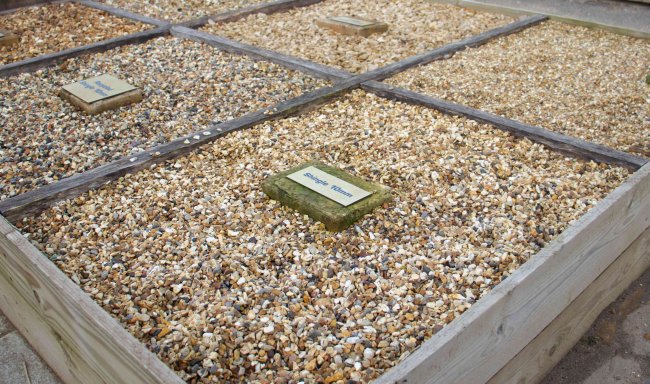
Visit Our Product Display for Inspiration
Planning a garden project can feel overwhelming when you're trying to visualise how materials will look. That's why we at MB Wilkes created our display area at Henbury Quarry, near Wimborne, where you can see, touch, and experience our full range of decorative aggregates and landscaping materials in real-world settings. See Our Products in Action Walking through our display area gives you the chance to see how different aggregates, gravels, and decorative stones actually look when they're laid out properly. We've used our own products to create various garden features, pathway designs, and landscaping ideas that demonstrate the versatility and visual impact of quality materials. You'll find everything from subtle natural blue slate that’s perfect for Japanese-inspired gardens to bold decorative chippings, like our polar ice chippings, that create dramatic focal points, all arranged in ways that might just solve that tricky design problem you've been pondering. Take a seat on our benches, which are made from robust oak sleepers (another product we stock), and really take your time exploring the possibilities. There's no pressure here, just plenty of inspiration. Touch, Feel, and Compare Materials One of the biggest advantages of visiting our display area is being able to physically handle the materials before you buy. Photographs online can only tell you so much, but when you can run your hands through different grades of gravel, compare the colours of various decorative stones in natural daylight, and see how textures work together, you'll make much better choices for your project. We find that customers who visit our display area leave feeling more confident and excited about their plans, knowing exactly what they're getting and how it will complement their existing garden features or property style. From Inspiration to Installation Everything you see in our display area is available to purchase and take away with you immediately, which is brilliant if you're ready to crack on with your project straight away. We can also arrange delivery if you're ordering larger quantities or multiple products, saving you the hassle of transport and ensuring your materials arrive safely and on schedule. Our team is always on hand to discuss quantities, calculate what you'll need for your specific project, and provide practical advice based on our 60 years of experience as a family-owned quarry. Beyond our decorative range, we stock comprehensive materials for every stage of your landscaping or construction work: Amenity and landscaping materials for transforming outdoor spaces Sundries for all those miscellaneous items you’ll need on a job Sub-base products to ensure proper drainage and stability Primary sand and gravel for groundwork and concrete mixing Recycled aggregates offering cost-effective and environmentally conscious alternatives Whatever your project demands, we have the materials and expertise to support you from ground preparation right through to those finishing decorative touches. Explore More Before You Visit If you'd like to browse our full product range before visiting, take a look through our online shop, where you'll find detailed information about everything we stock. Our gallery showcases completed projects and different material applications, while our weighbridge section explains how we handle bulk orders for trade customers and larger residential projects. Ready to Get Started? Whether you're planning or ready to purchase, visiting our display area at Henbury Quarry is the perfect next step. For directions, opening times, or to discuss your project requirements, call the friendly team at MB Wilkes today on 01258 857465 or use our contact form. And while you’re here, explore our current special offers online too. { "@context": "https://schema.org", "@type": "BlogPosting", "mainEntityOfPage": { "@type": "WebPage", "@id": "https://www.mbwilkes.com/blog/article/visit-our-product-display-for-inspiration#/" }, "headline": "Visit Our Product Display for Inspiration", "description": "Planning a garden project can feel overwhelming when you're trying to visualise how materials will look. That's why we at MB Wilkes created our display area at Henbury Quarry, near Wimborne, where you can see, touch, and experience our full range of decorative aggregates and landscaping materials in real-world settings.", "image": "https://www.mbwilkes.com/files/thumbs/62a54fe7-7974-4d2d-9be6-80db654c88eb_w650_h400.jpg?1761736902", "author": { "@type": "Organization", "name": "MB Wilkes", "url": "https://www.mbwilkes.com/" }, "publisher": { "@type": "Organization", "name": "", "logo": { "@type": "ImageObject", "url": "" } }, "datePublished": "" }
Read more
Family-Owned BusinessFamily-run business supplying quality aggregates for over 60 years.
Family-Owned Business
Family-run business supplying quality aggregates for over 60 years.
Trusted Team of Experts Our expert team of trusted experts is ready to help with all your needs.
Trusted Team of Experts
Our expert team of trusted experts is ready to help with all your needs.
Fully Equipped Fleet We provide fast local delivery with tipper trucks and grab lorries.
Fully Equipped Fleet
We provide fast local delivery with tipper trucks and grab lorries.
Superb Range of Aggregates Small load aggregate collections available directly from our quarry.
Superb Range of Aggregates
Small load aggregate collections available directly from our quarry.

This site uses some unobtrusive cookies to store information on your computer. By using our site you accept our Terms And Conditions and Privacy Policy.

×