24 Jun

Topsoil vs compost: Which to use and when

Ever found yourself staring at a bag of compost, wondering if it’s actually what your garden needs? Or asked, what’s the difference between topsoil and compost, and why does it matter? If so, you’re not alone.

Choosing the right material can be surprisingly tricky, especially if you're starting from scratch or trying to breathe new life into tired soil. The good news? You don’t need to be an expert to make the right call. At MB Wilkes, we’ve been helping customers create healthy, happy gardens for over 60 years with our full range of amenity and landscaping products.

In this guide, we will give you the clarity you need as we address the subject of topsoil vs compost.

What Is Topsoil?

Topsoil is the very top layer of earth, usually the first 5 to 12 inches, and it plays a crucial role in any planting project. Rich in a natural mix of sand, silt, clay, and organic matter, this layer is where most plant roots live and where biological activity thrives.

Whether you're laying a new lawn, building flower beds, or filling in low spots, topsoil gives your plants a solid foundation. It helps retain moisture and provides support so roots can grow deep and strong.

Calculating topsoil requirements for your project ensures you buy the right amount, while avoiding waste and keeping things budget friendly. It’s the starting point for almost any outdoor transformation, and one that’s important if you want a garden that looks gorgeous and is teeming with life.

What Is Compost?

Compost is decomposed organic matter, lovingly known by gardeners as “black gold.” It’s created from ingredients like vegetable scraps, leaves, and twigs, and the result is a dark, crumbly material rich in nutrients.

What makes compost so valuable is its ability to improve the structure and fertility of your soil. It boosts microbial life, enhances water retention, and gives plants the nutrient-rich environment they need to thrive.

Compost isn’t a standalone solution either; it works best when combined with other soils. But if you're looking to enhance plant performance and keep your garden soil healthy, compost is a must, especially when used in conjunction with topsoil for maximum benefits.

Topsoil vs Compost: What Are the Differences?

So, when it comes to topsoil vs compost, what actually sets them apart? While they might look similar at first glance, their roles in the garden are quite different.

Topsoil forms the structural base as the layer that supports plant roots, holds moisture, and creates the foundation for growth. Compost, on the other hand, is all about nutrition. Made from decomposed organic matter, compost is rich in nutrients and works to enhance soil health over time.

If your garden soil lacks structure or needs levelling, topsoil is the right choice. If your plants are struggling due to poor nutrient levels, compost can give them the boost they need. But you shouldn’t stop there as, in many cases, using both together provides the best results.

Knowing the difference between topsoil and compost helps you select the right material for each stage of your gardening project, whether you’re planting a lawn, filling beds, or preparing a veg patch.

Can You Mix Topsoil and Compost?

Absolutely! And it’s often the best approach. Mixing topsoil and compost gives you a balanced growing medium, especially for gardens that need both structure and nutrition.

Here are some key benefits and ideas:

  • Boosts Nutrient Availability Without Losing Soil Structure
  • Improves Drainage While Retaining Essential Moisture
  • Encourages Root Development and Microbial Activity
  • Ideal For Growing Vegetables, Flowers, and Herbs

A typical blend is 70% topsoil to 30% compost, though this can vary depending on your specific plants. This combination is especially useful for raised beds, vegetable gardens, and flower borders.

How Much Topsoil Do You Need?

Working out how much topsoil to purchase is simpler to work out than you might think. Read our guide where we explain the steps you can take to identify how much topsoil you need for your project. And if you’re not quite sure? Give us a call on 01258 857465, as we’re happy to guide you through it and recommend the right quantity


Where to Buy Quality Topsoil and Compost

At MB Wilkes, we’ve been supplying top-quality landscaping products for over six decades. Whether you’re ordering in bulk or need a smaller load, we’ve got you covered with high-quality soil products, delivered either loose or in bulk bags. We offer flexible delivery times and are proud to combine competitive pricing with personal service. And thanks to our excellent contacts within the industry, our product list of continuously growing, so we’re sure to be able to meet your requirements.

Give Your Garden the MB Wilkes Advantage

If you’re serious about upgrading your garden with the right materials, we’re here to help. As a family-owned business with more than 60 years of experience, we’re proud to offer excellent customer service and premium products that deliver results.

From compost to topsoil — and everything in between — MB Wilkes has the materials and the know-how to bring your vision to life.

Give us a call on 01258 857465 or reach out via our contact form. Let’s get your garden growing.

More general

3 Jun
MB Wilkes sponsor local West Moors festival
Westival is an annual event that is aimed at bringing the local community together, held in the centre of West Moors on Fryer Field from 12pm - 4pm. For MB Wilkes, sponsoring Westival is a great way to give something back to the community. We're looking forward to a fun day out; plus, we'll be bringing some fun activities for families to get involved with! Activities at Westival Throughout the afternoon there will be loads of things for family to do at Westival, with live music, entertainment, games, ferret racing and fairground rides – to name a few. MB Wilkes will be sponsoring the shade gazebos situated near the music truck – the perfect location for us to be a central part of the action! We'll also be bringing two large MB Wilkes lorries along to the event, giving little ones a chance to sit in the cab. Plus, children will also be able to take away their very own hi-vis vest, complete with branded MB Wilkes logo! Each year the event is a real hit, and we can't wait for another excellent afternoon of activities and fun. Entry to Westival is free and you can take a look at the event page for more information about what to expect on the day!   M B Wilkes – Local, Family-Run Business At MB Wilkes, we love being a part of the local community, and as a family-run quarry we're always looking for ways to get involved in events across Dorset. Our business centres around supplying aggregates and building materials throughout the county, supplying gravel, sand, stones and topsoil across different industries. To hire our services, or find out more about what we do, give us a call on 01258 857465 or send us a message via our contact form.
Read more
29 May
Gravel Driveways: Pros, Cons, and Choosing the Right Type
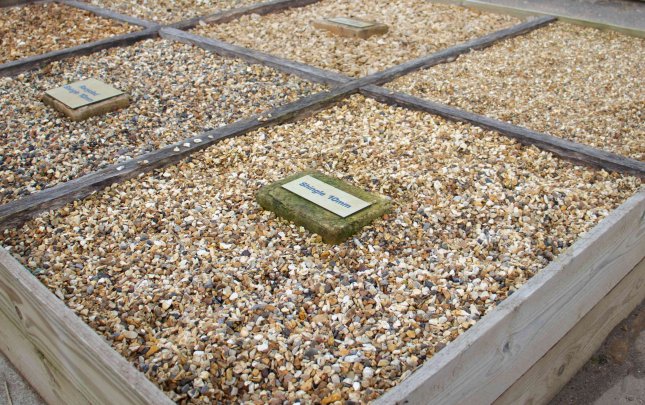
Is your driveway due for an upgrade, but you’re unsure where to start? Imagine a clean, attractive entrance to your home, edged with colourful plants and crunching softly underfoot. If that sounds like your kind of welcome, a gravel driveway could be exactly what you need. Whether you're dealing with cracked concrete, surface puddles, or just want something with a bit more character, we understand the challenge. This guide covers the pros and cons of gravel driveways, shows you how to choose the right one, and gives practical tips to keep it looking fantastic. At MB Wilkes, we supply high-quality materials and expert advice to help you every step of the way in creating a modern gravel driveway. The Upsides of Gravel Driveways When it comes to practical, stylish drive solutions, gravelled driveways tick a lot of boxes. They’re affordable, easy to maintain, and endlessly customisable. With so much going for them, it’s easy to see why gravel is such a popular material. Here’s why a stone driveway might be the right choice: Affordability: One of the most cost-effective surfacing options. You’ll save money on both materials and installation. Low Maintenance: No need for sealing or power washing. A simple rake and occasional top-up is often enough. Visual Versatility: From rustic Cotswold chippings to sleek basalt, there's something to suit every home. Weather Resistance: Gravel holds up beautifully in both scorching sun and frosty winters. Added Security: The crunch of tyres or footsteps on gravel can help alert you to visitors (welcome or not). Explore our wide range of driveway gravel, shingle and pebbles to discover your perfect match. The Drawbacks of Gravel Driveways Now, let’s look at the other side. While modern gravel driveways offer plenty of perks, they’re not entirely hassle-free. It’s worth considering the cons of gravel, as this could very well highlight a possible dealbreaker that might make an alternative option more appealing. Dust: Especially in dry conditions, dust can kick up with passing vehicles. This can settle on cars, windows, and nearby plants. Stone Shifting: Over time, gravel can migrate and form dips, ridges, or even bare patches. Weed Growth: Weeds can push through the surface if not properly managed. Loose Stones Underfoot: Smaller gravel pieces can get caught in shoes or dragged into your home. Not Ideal for Snow or Ice: In winter, clearing snow or ice from a gravel surface is trickier than with tarmac or paving. Popular Gravel Types for UK Driveways At MB Wilkes, we stock a variety of types of gravel for driveways and more. We have decorative aggregates that suit different styles and needs, such as blue slate. Blue Slate has a subtle grey-blue tone that shifts with the light, making it ideal for a cool, contemporary stone driveway. Shingle is the classic choice, offering a golden hue with flecks of black and white. It blends beautifully with traditional and countryside homes. Or you might opt for Red Granite which stands out with a bold, warm terracotta tone. It’s hard-wearing and perfect for high-traffic areas. Another great option is Cotswold Chippings with their creamy gold finish, great for softening the look of a property and adding that rural charm. Or there’s Recycled Gravel, which is the sustainable option. Made from crushed concrete or asphalt, it’s eco-conscious, tough, and still great-looking. You can view our full gravel range here and see which style works best for your driveway. How to Choose the Right Gravel for Your Driveway With so many options, narrowing down your ideal gravel takes a bit of thought. Here’s what we recommend considering when weighing up the pros and cons of gravel driveways: Size Matters: Larger stones (e.g. 20mm) are better for driveways as they lock together more securely. Match Your Home’s Style: Go for something warm and natural for cottages, or a clean grey for modern looks. Consider Durability: High-traffic areas need tougher, more compact gravel like red granite or basalt. Think Drainage: Most gravelled driveways are naturally permeable, but layering properly ensures no puddling. Still unsure? Get in touch for tailored advice – we’re happy to help you choose. How to Maintain Your Gravel Driveway Even the most low-maintenance option needs a bit of care. If you’re wondering how to make a gravel driveway solid, it’s all about regular upkeep. Rake it often to keep the stones evenly distributed. Keep a bag or two of the same gravel on hand to fill in any low spots. And make sure to stay on top of weeds by using a membrane underneath and treating growth as it appears. Whether you prefer a rustic feel or a modern gravel driveway, proper maintenance will keep it looking fresh for years.   Get in Touch and Start Planning Your Modern Gravel Driveway Ready to transform your driveway with a beautiful new finish? At MB Wilkes, we’re here to make it easy. Whether you’re starting from scratch or refreshing an existing surface, we supply everything you need – including expert advice, small load collections, small load delivery, and a full range of gravel types to suit any look. We’ve been family owned for over 60 years, and we’re proud to be one of the UK’s leading names in landscaping materials. Great service, top quality products, and competitive prices come as standard. To speak with our friendly team, give us a call on 01258 857465 or send us a message via our contact form. We’d love to help you design a modern gravel driveway that looks fantastic and lasts for years.
Read more
13 May
The Ultimate Guide to Using Decorative Stones in Your Garden
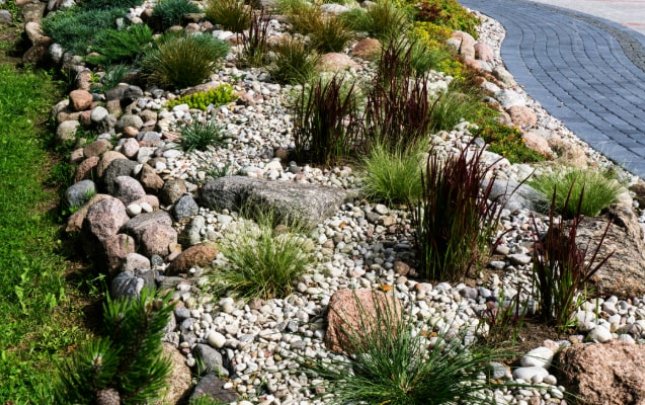
Looking to refresh your outdoor space but unsure where to start? Picture a garden with structure, texture and colour, all brought to life with the clever use of decorative stones. From pebbles and gravel to slate and shingle, these versatile materials offer endless landscaping ideas to suit every style and function. In this ultimate guide, we’ll share practical, expert-backed tips for landscaping with decorative stones - helping you overcome common challenges and choose the right solution with help from our quality products and knowledgeable team. Types of Decorative Stones and Their Best Uses When it comes to landscaping with aggregates, it’s important to understand which type of decorative stone suits your space and how each material performs. While they all offer visual appeal, different stones bring different benefits - and some limitations too. Here’s a closer look at four of the most popular choices. Pebbles Naturally smooth and rounded, coloured pebbles are gentle underfoot, making them a great option for garden paths when paired with landscape fabric. They're equally effective around water features, in plant pots, or as soft-edged borders that help define different areas of your garden. Their texture adds subtle contrast, but they’re best avoided for driveways as they shift easily under pressure. Gravel and Shingle Gravel and shingle are among the most durable and cost-effective materials for outdoor spaces. Their rough surface provides grip, making them ideal for driveways and garden paths. They don’t crack or sink like other hard surfaces, and they’re also excellent for improving drainage, particularly in areas prone to waterlogging. We often recommend rainbow shingle to enhance water features with eye-catching colour. Slate Slate offers a bold, contemporary finish. Its flat, angular pieces work well in borders and around patio edges or ponds, where they bring a striking, modern aesthetic. However, slate is too sharp and brittle for driveways and may damage tyres over time. Stone Paving For those looking to create a dining or seating area, natural stone paving is a solid choice. It’s flat, durable, and available in a range of finishes to suit every garden design. Perfect for patios and entertaining outdoors. We supply a wide selection of decorative stones for gardens. Ideas, advice, and support - we’re always here to help at MB Wilkes. Design and Styling Ideas When it comes to landscaping with decorative stones, the right design choices can completely transform your garden. Here are some creative, practical ways to use stones to enhance both style and structure: Garden Zoning with Colour: Use different coloured stones to mark out distinct zones in your garden – perfect for separating a natural, wildlife-friendly area from a neat, structured space. Light and dark stones can be used to create contrast, helping to highlight your planting choices and give each section its own identity. Paths and Walkways: Pebbles or gravel make attractive, low-maintenance paths. For a more polished look, add stepping stones or edging to define the route. This not only guides foot traffic but can also give the illusion of a longer, more spacious garden. Borders: Decorative stones form clean, natural borders around flowerbeds and along paths. For a coastal-inspired feel, rounded coloured pebbles are ideal, while Cotswold cobbles create a traditional, countryside finish. Both options help contain planting while adding character. Water Features: Rainbow shingle or smooth pebbles enhance the visual appeal and sound of any water feature. Whether it's a pond, fountain, or stream, stones add colour and definition while supporting the natural look of your setup. Driveways: For a functional and stylish entrance, gravel or shingle is an affordable alternative to tarmac. Popular choices include golden shingle for a warm, traditional look, blue slate for a modern touch, or limestone for a more refined finish. We supply only the best pebbles for garden use, tailored to suit every style and purpose. Functional Benefits Landscaping with decorative stones isn’t just about looks - it offers real, long-lasting benefits too. Here are three practical reasons to consider landscaping with aggregates in your garden: Drainage: Gravel and shingle are excellent for managing excess water. If you’ve got soggy patches on your lawn, waterlogged flowerbeds, or areas near buildings prone to pooling, these materials help water drain away efficiently, protecting both plant health and property foundations. Weed Control: Decorative stones provide a natural barrier against unwanted growth. When laid over geotextile fabric, they form a strong layer that blocks sunlight and prevents weeds from taking hold, reducing the need for constant maintenance. Soil Protection: Heavy rain can wash away topsoil, especially in beds and pots. A covering of decorative stone helps anchor soil in place, reducing erosion while keeping your garden looking tidy. All practical, all simple, and all part of thoughtful, effective landscaping with decorative stones. Feature Ideas: The Rockery If you're looking for low-maintenance landscaping ideas with maximum impact, a rockery is a brilliant choice. Combining stones of different sizes with hardy alpine plants, a well-placed rockery brings texture, colour and natural structure to your garden. Choose a sunny, well-drained spot and take time to pre-arrange your rocks before planting to make sure the layout feels balanced. Plants like crocuses, tulips and dianthuses add seasonal bursts of colour and are easy to care for. With minimal upkeep and lasting visual appeal, a rockery is a timeless feature that works beautifully in gardens of all sizes. Get Expert Help Choosing the Right Decorative Stones for Your Garden Decorative stones offer style, structure and real practicality, from low maintenance surfaces to improved drainage and effective weed control. Whether you're after bold borders, a new path or a full garden refresh, landscaping with decorative stones is a smart, versatile choice. We’ve been a trusted, family-run quarry for over 60 years, supplying quality materials at competitive prices. Call us on 01258 857465 or use our contact form for expert advice tailored to your project.
Read more

Most Recent Stories

25 Aug
Choosing the Best Gravel for Your Driveway
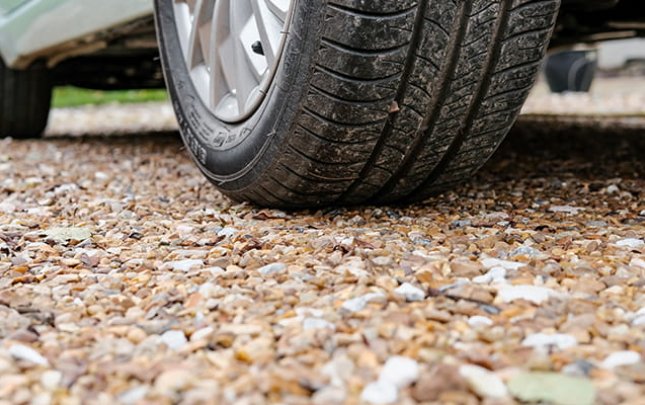
A new driveway is one of those jobs where the finish only tells half the story. What lies beneath matters just as much, and getting it wrong means shifting stone, pooling water and a surface that looks tired within a year or two. If you're weighing up options, choosing the best gravel for your driveway comes down to understanding what each layer needs to do, not just which stone looks nicest on top. That's what we'll walk through here, starting with the fundamentals that make any gravel driveway perform well over time. What Makes a Good Driveway Gravel Work Hard A driveway has to support the weight of vehicles, stay exactly where it's put, drain water away quickly, and resist rutting and potholes forming under regular use. Choosing the best gravel for your driveway means picking material suited to those four jobs, not just whatever looks good. This is why angular crushed stone driveway material is usually the better structural choice over smooth, rounded gravel. The jagged edges lock together under pressure, creating a firm surface that holds its shape. Rounded stone, by contrast, tends to roll and shift, which is fine underfoot in a garden but less forgiving under a car. Drainage plays an equally important role. A slight fall or crown across the surface lets water run off rather than sit, since standing water is what accelerates erosion, potholes and stones working loose over time. Building the Right Layers for Your Driveway A gravel driveway isn't one material laid straight onto soil. It's built in layers, each doing a different job, and getting this build right is what separates a driveway that lasts decades from one that needs constant patching. Gravel for driveways typically works best across three stages: Base Layer: Large angular crushed stone or quarry-type material, usually a gravel driveway sub-base MOT Type 1 installation, creates a stable foundation and helps water drain rather than collect. Middle Layer: medium-sized crushed stone fills voids between the coarse base and the finer surface, adding stability and helping the whole structure lock together. Top Layer: Smaller crushed stone, pea gravel or decorative aggregates finish the surface, giving you the look and texture you actually walk and drive on. Each layer supports the one above it, so skipping a stage or skimping on depth tends to show up as problems later, not immediately. How Deep Should Driveway Gravel Be, and What Does It Cost? How deep should driveway gravel be? This depends on which layer you're looking at. As a general guide, the base layer needs the most depth to spread vehicle weight properly, the middle layer is thinner, and the top layer only needs enough coverage to look finished and stay put underfoot. Skimping on any one layer to save material is usually a false economy, since a shallow base is far more likely to rut or shift under regular traffic. Gravel driveway cost per m2 varies depending on the stone type, how many layers your project needs, and the size of the area being covered. Decorative aggregates and pea gravel finishes tend to sit at different price points to standard crushed stone, so it's worth thinking about budget alongside performance when choosing the best gravel for your driveway. A driveway built with the right depth from the outset costs less over its lifetime than one that needs regular topping up or repair. Pea Gravel vs Crushed Stone: Which Wins for Durability? This is often where the pea gravel driveway pros and cons come into sharpest focus. Pea gravel looks attractive, feels pleasant underfoot, and works well as a decorative top layer. Its smooth, rounded shape is exactly what makes it less suited to heavy use though, since round stones move more easily under tyres than angular ones. For most durable driveway gravel, angular crushed stone or granite chippings tend to win out, particularly on slopes or driveways with frequent vehicle use. The interlocking shape resists rolling and stays where it's laid, which matters most if you're after the best gravel for driveway that won't move. If you like the look of pea gravel, it doesn't have to be ruled out entirely. Using it as a thin decorative top layer over a properly built angular base gives you the appearance you want, without asking a structural layer to do a job it isn't shaped for. Getting the Installation Right The material you choose only performs as well as the installation underneath it. Most driveways need enough excavated depth to accommodate multiple layers, since squeezing a full build into a shallow dig compromises drainage and load bearing from day one. A geotextile or landscaping membrane, laid before any crushed stone driveway material goes down, stops the gravel mixing with the soil beneath and helps reduce weed growth pushing through over time. It's a small step that makes a noticeable difference to how long the surface performs well. Edging is worth including too. Whether it's a simple timber or metal border, edging keeps gravel contained rather than spreading onto lawns or paths, and it gives the finished driveway a cleaner, more defined edge. Granite chippings for driveway finishes in particular benefit from solid edging, since their angular shape can otherwise migrate outwards with regular use. Keeping Your Gravel Driveway Looking Its Best A gravel driveway isn't maintenance-free, but the upkeep it needs is straightforward once you know what to look for. Keeping on top of a few simple tasks protects the investment you've made and keeps gravel for driveways looking sharp for years: Rake regularly to keep the surface evenly distributed and maintain that slight crown that helps water run off rather than pool. Top up thinning areas where material has spread or compacted over time, particularly near entrances and turning points. Check drainage periodically, since blocked or poor drainage is what leads to erosion and potholes if left unaddressed. Manage weeds even where a membrane is in place, as occasional growth can still appear and is easiest to deal with early. Gravel driveway cost per m2 for materials is only part of the picture. Factoring in occasional maintenance from the start, rather than treating it as an afterthought, is what keeps a gravel driveway working in your favour long term. Ready to Get the Right Gravel Down? We've been supplying sand and gravel from our Dorset quarry for over 60 years, and we know what performs well on driveways across the South Coast. Whether you need crushed stone for a structural base, decorative aggregates for the finish, or a full grab hire delivery to get materials on site, we're happy to talk through what suits your project. If you've settled on the best gravel for your driveway and you're ready to order, get in touch on 01258 857465, fill in our contact form, or order your materials online.
Read more
18 Aug
5 Types of Aggregate and Their Uses
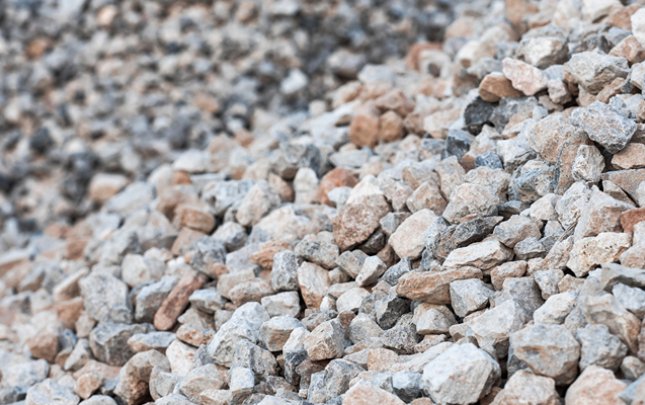
Aggregate is one of those materials most people have used without thinking too hard about what it actually is. Whether it's gravel on a driveway, sand in a concrete mix, or chippings around a planted border, it's the backbone of more projects than most people realise. The problem is that aggregate covers a lot of ground, and picking the wrong type can mean poor drainage, a mix that doesn't set, or a finish that looks wrong. At MB Wilkes, we've been supplying aggregates from our Dorset quarry for over 60 years. In this blog, we showcase five of the most used types, so you can decide which one is right for your project. And you can explore many more options on our website. Five Aggregates Worth Knowing About Each of the aggregates below has its own set of properties and best-fit applications, so here's a practical breakdown to help you choose the right material for your project. Slate Slate is one of the most versatile aggregates we stock, equally at home as a decorative mulch around planted borders and as a practical drainage material. Its angular shape allows water to pass through freely, which makes it a sensible choice anywhere you need both good drainage and a clean, attractive finish. We supply slate in three colours and two sizes, so there's a combination to suit most projects: Black Slate 20mm and 40mm Blue Slate 20mm and 40mm Plum Slate 40mm Sand Technically classified as a fine aggregate, sand behaves differently to coarser materials but is no less essential to a well-executed project. It is commonly used as a bedding material for paving and block paving, as well as in concrete mixes and render. Sharp sand and building sand serve different purposes, so the right type will depend on your application. If you're not sure which grade suits your project, our team can point you in the right direction. Limestone Limestone is a versatile aggregate used in a variety of construction and landscaping applications. It is commonly used as a sub-base material for driveways and pathways, as well as in drainage projects. Its durability and availability in different grades make it a practical choice for both residential and commercial projects. Granite Chippings Granite chippings are one of the toughest aggregates available, making them a strong choice for driveways and areas that take regular heavy traffic. The material compacts well and holds its shape under load, which means it tends to stay put rather than migrating to the edges over time. Granite also comes in a variety of shades, from grey to pink, so the practical benefits don't have to come at the expense of appearance. All In Ballast All In Ballast is a mixed aggregate containing a blend of sand and gravel in varying particle sizes. It is most commonly used in concrete mixes, where the combination of fine and coarse material helps produce a strong, workable mix. It also works well as a general fill and is a cost-effective option for groundwork and construction projects where a precise, single-grade aggregate isn't required. Why Choose MB Wilkes for Your Aggregates? We've been supplying sand, gravel and aggregates from our quarry in Dorset for over 60 years. That means the materials we sell are ones we know inside out, not products we've simply added to a catalogue. As a family-run business, we take our reputation seriously, and that shows in the quality of what we supply and the service that comes with it. We offer competitive prices, supply to trade and domestic customers across Poole, Bournemouth and the wider Dorset area, and we're happy to talk through your project before you order. Get in Touch To find out more about the range of products we offer, from building materials and decorative stones to shingle and gravel and driveway materials, get in touch with our team today on 01258 857465 or fill our online contact form. { "@context": "https://schema.org", "@type": "BlogPosting", "mainEntityOfPage": { "@type": "WebPage", "@id": "https://www.mbwilkes.com/blog/article/5-types-of-aggregate-and-its-uses#/" }, "headline": "5 Types of Aggregate and Their Uses", "description": "Aggregate is one of those materials most people have used without thinking too hard about what it actually is. Whether it's gravel on a driveway, sand in a concrete mix, or chippings around a planted border, it's the backbone of more projects than most people realise.", "image": "https://www.mbwilkes.com/files/thumbs/5b2b193b-fff0-4566-a2b4-c289b138dc2c_w650_h400.jpg?1787069702", "author": { "@type": "Organization", "name": "MB Wilkes", "url": "https://www.mbwilkes.com/" }, "publisher": { "@type": "Organization", "name": "", "logo": { "@type": "ImageObject", "url": "" } }, "datePublished": "2026-08-18", "dateModified": "2026-08-18" }
Read more
4 Jun
MB Wilkes sponsor local Lytchett Matravers Summer Festival
Lytchett Matravers Summer Festival is an annual event that aims to bring the local community together around fun, food and music. It is held on the Recreation Ground at the centre of Lytchett Matravers on Saturday 20th June from 2pm – 10pm For MB Wilkes, sponsoring the festival is a great way to give something back to the community and enjoying a fun day out. What’s on at the Festival Line-Up: 2.00pm - 2.30pm– Host's Welcome Performance 2:30pm – 2.45pm Aqualights Pom & Twirl 2:45pm – 3.00pm – Host Interval Performance 3.00pm – 4.00pm – Children’s Entertainment with Amy 4.00pm – 5.30pm – Lytchett’s Got Talent 5:30pm – 6.00pm – Performance from new talent - Maddi Hardwick 6.00pm – Raffle 6:15pm – 7:45pm – Danny T Acoustic 8.00pm – 10.00pm – Skamagedon Dance Band The festival has always been a great community day. Entry is free and you can take a look at the event page for more information or Facebook page about what to expect on the day! Bring your family, bring your friends, and don’t miss it — it’s set to be a summer highlight for the whole community! MB Wilkes – Local, Family-Run Business At MB Wilkes, we love being a part of the local community, and as a family-run quarry we're always looking for ways to get involved in events across Dorset. Our business centres around supplying aggregates and building materials throughout the county, supplying gravel, sand, stones and topsoil across different industries. To hire our services, or find out more about what we do, give us a call on 01258 857465 or send us a message via our contact form. { "@context": "https://schema.org", "@type": "BlogPosting", "mainEntityOfPage": { "@type": "WebPage", "@id": "https://www.mbwilkes.com/blog/article/mb-wilkes-sponsor-local-lytchett-matravers-festival#/" }, "headline": "MB Wilkes sponsor local Lytchett Matravers Summer Festival", "description": "Lytchett Matravers Summer Festival is an annual event that aims to bring the local community together around fun, food and music.", "image": "https://www.mbwilkes.com/files/thumbs/8c3f7bac-d3de-4eb1-bb7e-ee70c08d918f_w650_h400.png?1780561139", "author": { "@type": "Organization", "name": "MB Wilkes", "url": "https://www.mbwilkes.com/#/" }, "publisher": { "@type": "Organization", "name": "", "logo": { "@type": "ImageObject", "url": "" } }, "datePublished": "2025-06-17", "dateModified": "2026-06-04" }
Read more
Family-Owned BusinessFamily-run business supplying quality aggregates for over 60 years.
Family-Owned Business
Family-run business supplying quality aggregates for over 60 years.
Trusted Team of Experts Our expert team of trusted experts is ready to help with all your needs.
Trusted Team of Experts
Our expert team of trusted experts is ready to help with all your needs.
Fully Equipped Fleet We provide fast local delivery with tipper trucks and grab lorries.
Fully Equipped Fleet
We provide fast local delivery with tipper trucks and grab lorries.
Superb Range of Aggregates Small load aggregate collections available directly from our quarry.
Superb Range of Aggregates
Small load aggregate collections available directly from our quarry.

This site uses some unobtrusive cookies to store information on your computer. By using our site you accept our Terms And Conditions and Privacy Policy.

×