

Family-Owned Business
Family-run business supplying quality aggregates for over 60 years.


Drainage Stone and Gravel for Keeping Your Garden Dry, Supplied from Our Dorset Quarry
Few things take the shine off a garden quite like a waterlogged lawn, a puddle that never seems to leave the patio, or a damp patch creeping along the side of the house. The good news is that most of these problems can be put right with the right stone in the right place, and here at MB Wilkes we supply the free-draining materials that give rainwater somewhere sensible to go.
As a family-run sand and gravel quarry that has been working the same Dorset land for over 60 years, we've helped plenty of people with soakaways, French drains, pipe surrounds and soggy corners, whether it's a small run alongside a path or a much larger job on a development. We'll happily help you work out how much you need and bring everything to your door in one go, so you can get the digging done whilst the weather is on your side.
Drainage Materials Available
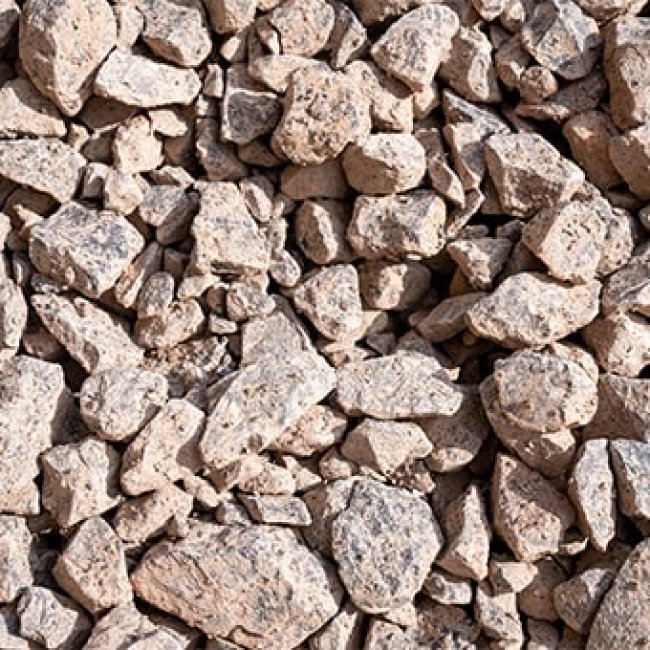
Type 3 Limestone
A free-draining limestone sub-base with plenty of gaps between the stones, which lets water pass straight through rather than sitting on top. It's a dependable choice for building up a permeable base beneath paths, parking areas and other surfaces that need to shed water quickly.
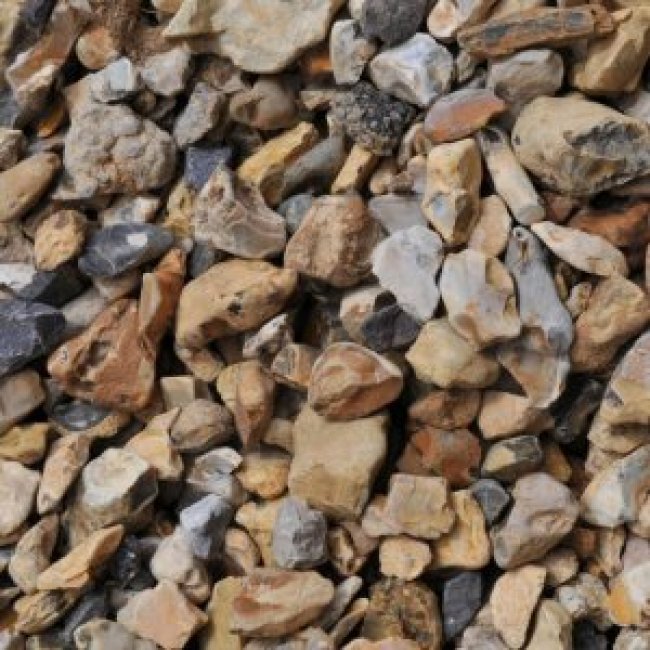
Shingle 40mm
Our largest shingle, with generous spaces between each stone, which makes it a natural fit for soakaways and for filling deeper trenches where you want water to move through freely and drain away without any fuss.
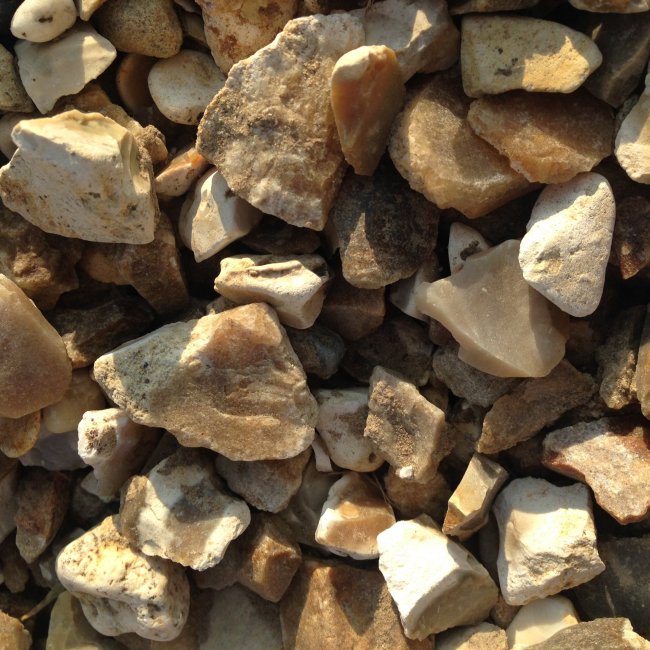
Shingle 20mm
A well-balanced, all-round size that works nicely around drainage pipes and in French drains. The stones are big enough to let water flow through easily, yet small enough to be comfortable to shovel and spread by hand.
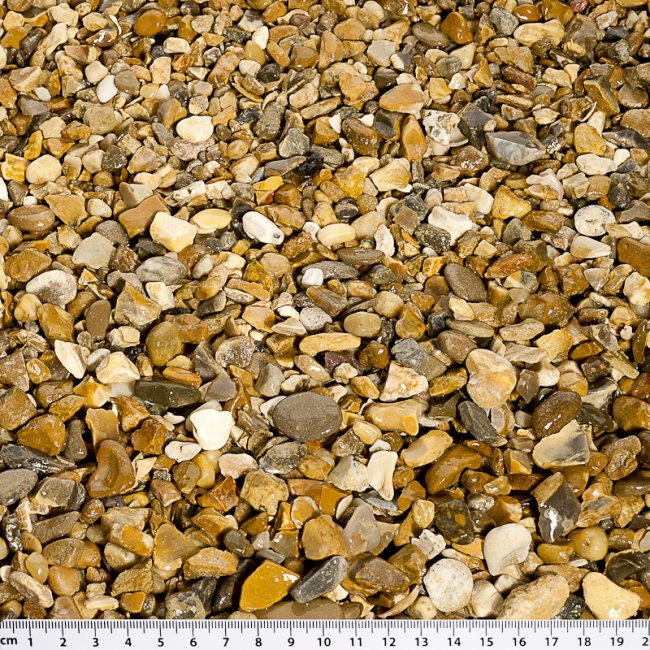
Shingle 10mm
A finer shingle that's ideal for lighter jobs such as the top layer of a drainage trench, bedding around smaller pipes, or neat gravel strips beside walls and borders where you'd like water to soak away without leaving a messy finish.
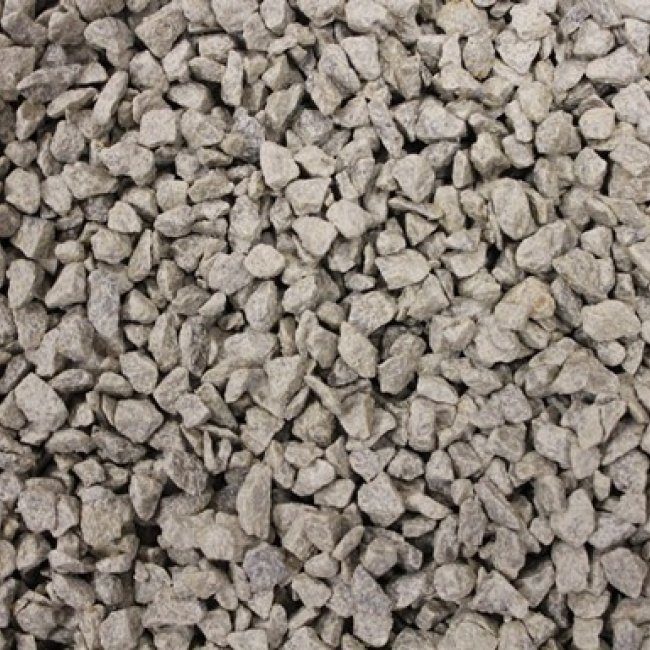
Limestone 4-20mm
A mix of angular limestone chippings between 4mm and 20mm, which settle together firmly while still letting water pass through. It's a handy all-rounder for backfilling drainage runs and giving pipes a stable bed to sit on.
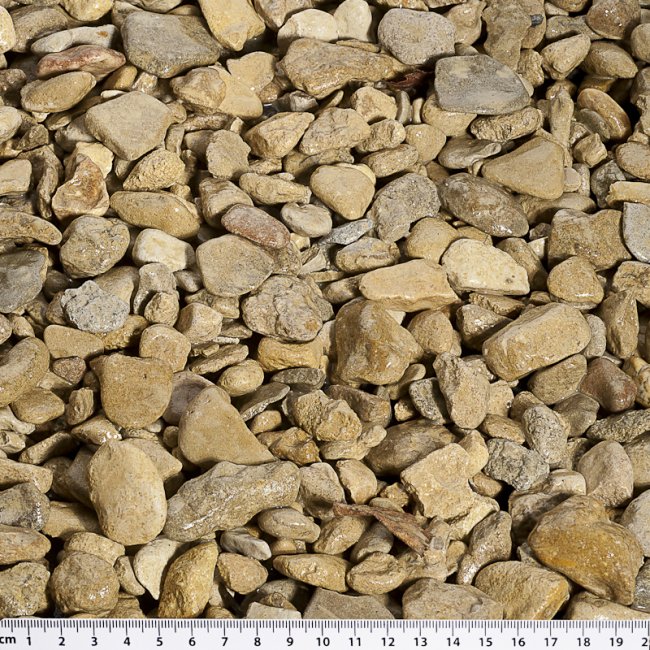
Cerney Gravel 20mm
A natural-looking 20mm gravel that drains beautifully and looks rather lovely too, so it's a good option when your drainage is going to stay on show, such as a gravel drip strip along the edge of the house or a dry stream bed running through a border.
Shop Our Full Range of Drainage Materials
Why Choose MB Wilkes for Drainage Materials?
Drainage is one of those jobs where you only really notice the materials when they're wrong, so it helps to buy from people who know exactly what they're selling. Because we're a working quarry, we know how each of our stones behaves once it's in the ground, and we're always glad to talk you through which size will suit your trench, your pipe and the kind of soil you're dealing with.
Our materials have been used on projects for councils, utility companies and national developers, but a good share of our regular customers are homeowners with a damp corner they're determined to sort out. Whichever you are, you'll get the same straightforward advice and the same competitive prices from us.
It also helps that we're right here in Dorset, which means we understand the local ground, from heavy clay that holds onto water to lighter soils that let it escape, and we can point you towards what tends to work well in this part of the world.
Ready to Get Your Drainage Sorted?
Once you have a rough idea of the length and depth of the area you're tackling, take a look through the materials above, add what you need to your basket and we'll look after getting it delivered. If you'd rather chat it through first, perhaps because you're unsure how much stone you'll need or which size is best for your pipe, we're always happy to help.
For questions, call our expert team on 01258 857465 or send us a message using the contact form and we'll get back to you.
Drainage Project FAQs
Measure the length, width and depth of the trench or pit, multiply them together to get cubic metres, and then allow roughly 1.5 tonnes of stone for every cubic metre. It’s always worth adding a little extra for settling.
If you’d like a second pair of eyes on your sums, give us your measurements and we’ll gladly check them with you - call us on 01258 857465
It depends on how much water you’re dealing with and where it needs to go. A stone-filled trench can cope with modest amounts of surface water, but if you’re moving water over a longer distance or away from a building, a perforated pipe laid on a bed of stone will carry it much more effectively. We can help you decide which suits your project.
As a general rule, a soakaway should sit at least five metres from any building so the water doesn’t end up undermining your foundations. Local rules and ground conditions can vary, so it’s worth checking with your local building control team before you start digging.
Rounded shingle leaves generous, consistent gaps between the stones, which makes it a lovely free-flowing choice for soakaways and trenches. Angular limestone chippings knit together more firmly, so they’re better where you want a stable bed for pipes or a firmer base, whilst still letting water pass through.
Clay holds onto water, so a soakaway can be slow to empty, and in some gardens it simply won’t work. A simple test is to dig a hole, fill it with water and see how quickly it drains away. If it stays full for a day or more, a French drain that carries the water elsewhere is usually the better route, and we’re happy to talk through your options.
Very little, which is part of its appeal. Keeping leaves, soil and debris from washing onto the surface will help the stone stay free-draining, and if you’ve used shingle on show, a quick rake every now and then keeps it looking neat.
If the water ever seems to be slowing down, give us a call and we’ll help you work out what’s happening.
Contact


