29 Oct

Visit Our Product Display for Inspiration

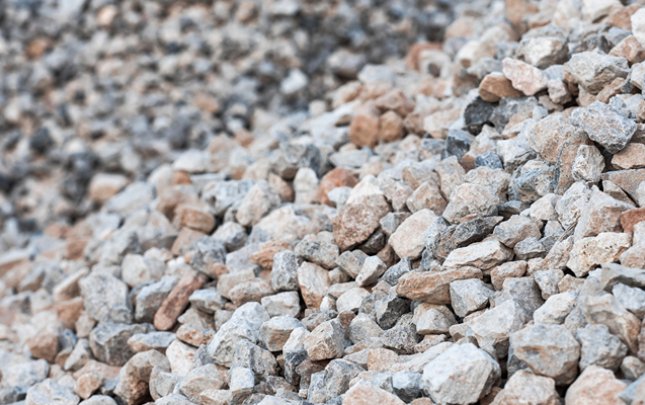
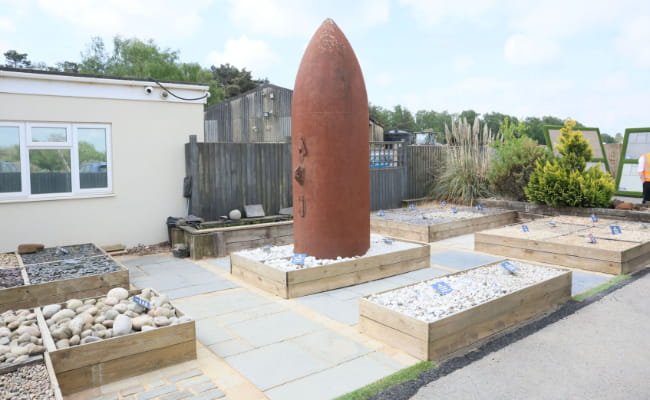
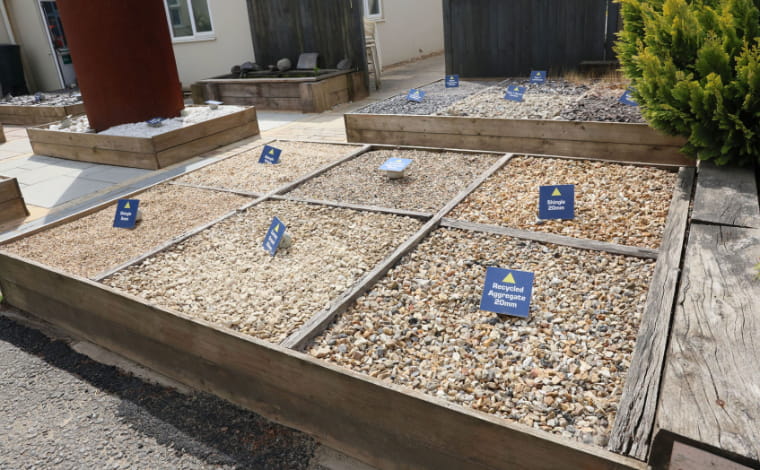
Planning a garden project can feel overwhelming when you're trying to visualise how materials will look. That's why we at MB Wilkes created our display area at Henbury Quarry, near Wimborne, where you can see, touch, and experience our full range of decorative aggregates and landscaping materials in real-world settings.

See Our Products in Action

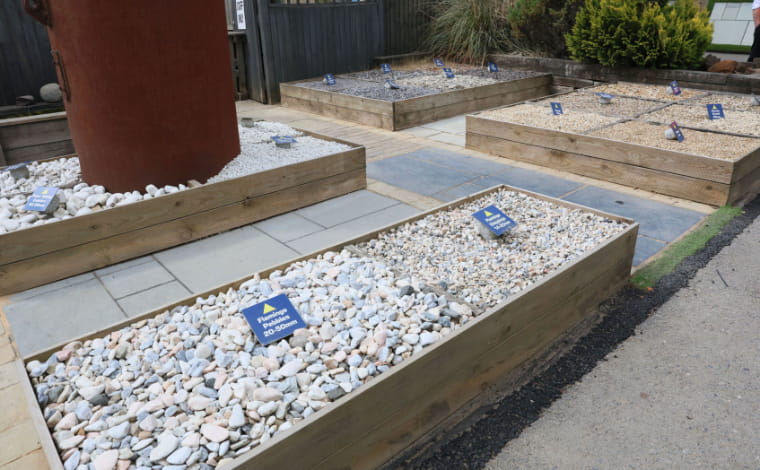
Walking through our display area gives you the chance to see how different aggregates, gravels, and decorative stones actually look when they're laid out properly. We've used our own products to create various garden features, pathway designs, and landscaping ideas that demonstrate the versatility and visual impact of quality materials.

You'll find everything from subtle natural blue slate that’s perfect for Japanese-inspired gardens to bold decorative chippings, like our polar ice chippings, that create dramatic focal points, all arranged in ways that might just solve that tricky design problem you've been pondering.

Take a seat on our benches, which are made from robust oak sleepers (another product we stock), and really take your time exploring the possibilities. There's no pressure here, just plenty of inspiration.
Touch, Feel, and Compare Materials

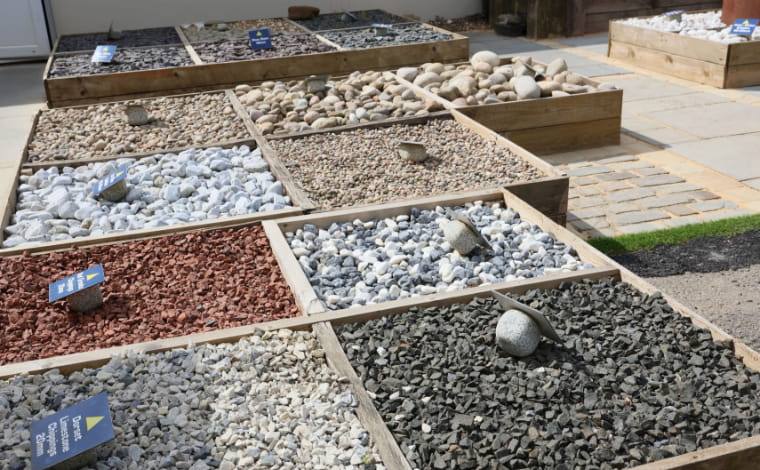
One of the biggest advantages of visiting our display area is being able to physically handle the materials before you buy. Photographs online can only tell you so much, but when you can run your hands through different grades of gravel, compare the colours of various decorative stones in natural daylight, and see how textures work together, you'll make much better choices for your project.

We find that customers who visit our display area leave feeling more confident and excited about their plans, knowing exactly what they're getting and how it will complement their existing garden features or property style.
From Inspiration to Installation

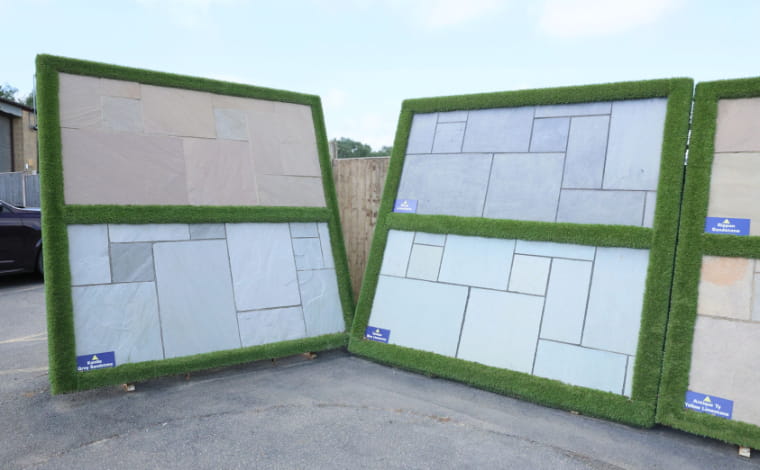
Everything you see in our display area is available to purchase and take away with you immediately, which is brilliant if you're ready to crack on with your project straight away. We can also arrange delivery if you're ordering larger quantities or multiple products, saving you the hassle of transport and ensuring your materials arrive safely and on schedule.

Our team is always on hand to discuss quantities, calculate what you'll need for your specific project, and provide practical advice based on our 60 years of experience as a family-owned quarry.

Beyond our decorative range, we stock comprehensive materials for every stage of your landscaping or construction work:

Whatever your project demands, we have the materials and expertise to support you from ground preparation right through to those finishing decorative touches.
Explore More Before You Visit

If you'd like to browse our full product range before visiting, take a look through our online shop, where you'll find detailed information about everything we stock.

Our gallery showcases completed projects and different material applications, while our weighbridge section explains how we handle bulk orders for trade customers and larger residential projects.
Ready to Get Started?

Whether you're planning or ready to purchase, visiting our display area at Henbury Quarry is the perfect next step. For directions, opening times, or to discuss your project requirements, call the friendly team at MB Wilkes today on 01258 857465 or use our contact form. And while you’re here, explore our current special offers online too.

More general

21 Aug
The ultimate guide to choosing gravel and shingle
How to Choose and Plan the Perfect Gravel Driveway Are you planning a gravel driveway but feeling overwhelmed by the choices available? You're not alone in wondering how to choose and plan the perfect gravel driveway that combines functionality with aesthetic appeal. At MB Wilkes, we've been helping homeowners navigate these decisions for over 60 years as a family-owned quarry. Our comprehensive guide will walk you through everything from material selection to design considerations, ensuring your new driveway becomes a beautiful and practical addition to your home. With our consultative approach and National Trust-approved gravel products, we'll help you deliver a driveway that perfectly suits your needs and budget. Understanding Gravel and Shingle Types Now that you're ready to explore your options, let's examine the difference between gravel and shingle and understand the various types available. Gravel particles typically start at around 5mm, whilst anything smaller is classified as sand. However, our shingle range begins at 2mm-6mm, offering you greater flexibility for different applications. Our signature light golden flint shingle showcases beautiful brown and yellow tones, making it perfect for creating warm, welcoming driveways. The difference between shingle and gravel lies primarily in size and application, with our range extending up to 40mm varieties ideal for drainage and soakaways. These natural materials come in numerous shapes, sizes, and colours, giving you tremendous versatility for your project. Different types of gravel and shingle serve specific purposes: smaller particles work brilliantly for decorative areas, whilst larger stones excel in functional drainage applications. For a deeper dive into selecting the ideal material, we've covered the pros and cons of various options in our comprehensive gravel guide, helping you understand which type suits your specific requirements. Choosing the Right Material for Your Project Here we're going to focus on matching the perfect material to your unique situation. When considering gravel vs shingle for your project, think about your space requirements and intended use. Shingle gardens often benefit from finer particles that create smooth, walkable surfaces, whilst larger gravel works excellently for vehicular access. Colour coordination plays a crucial role in your material selection. Neutral driveway materials like grey, beige, or white complement most home exteriors beautifully, blending seamlessly with existing architecture. However, if you're seeking to create a statement feature, consider our coloured options or even combine different materials for added visual interest. Quality considerations shouldn't be overlooked when making your choice. Our National Trust approval demonstrates our commitment to supplying materials that meet the highest standards for both durability and aesthetic appeal. The decision when comparing gravel vs shingle ultimately depends on your specific needs: shingle offers a more refined appearance perfect for formal settings, whilst gravel provides robust functionality for high-traffic areas. Both options deliver excellent long-term value when selected appropriately for your project's requirements. Design and Planning Considerations To learn more about creating the perfect layout, let's explore the essential planning elements for your gravel driveway. Planning a gravel driveway requires careful consideration of several key factors that will determine both its functionality and visual appeal. Consider these crucial design elements: Space and Shape Assessment: Decide between curved pathways for a softer, more natural appearance or clean, straight lines for contemporary appeal Multi-Car Requirements: Calculate width needs for side-by-side parking to eliminate daily car shuffling Visual Integration: Choose whether your driveway should serve as a focal point or blend harmoniously with surrounding landscaping Accessibility Considerations: Ensure adequate turning circles and comfortable gradients for all users Those wanting a permeable driveway design should also account for proper drainage requirements, particularly if your property experiences heavy rainfall. The natural permeability of gravel makes it an excellent choice for sustainable water management, reducing surface runoff whilst maintaining an attractive appearance. Balancing functionality with aesthetic appeal often means considering how your driveway connects with existing garden features, pathways, and architectural elements. In fact, we even have a blog that discusses how to build the perfect gravel garden – definitely worth a read. This thoughtful approach to planning a gravel driveway ensures your investment enhances your property's overall value and kerb appeal. Technical Requirements and Installation Tips Moving on to the practical aspects, proper gravel installation requires attention to specific technical details that ensure longevity and performance. Slope limitations are particularly important: we recommend avoiding loose gravel on gradients exceeding 1:10, as steeper inclines can lead to material displacement and maintenance issues. For gentle slopes that fall within acceptable limits, polythene hexagon mesh provides an excellent solution. This mesh sits approximately 40mm beneath the gravel surface, creating stability whilst maintaining the natural appearance of your driveway. Proper ground preparation forms the foundation of successful gravel installation, requiring adequate excavation, base material application, and compaction. The pallet-dragging method creates that perfectly raked finish, redistributing gravel evenly across the surface. Regular maintenance also prevents weed growth and maintains the professional appearance that makes gravel such an attractive, low-maintenance option for busy homeowners seeking both beauty and practicality. Making Your Final Decision As you approach your final choice, several factors will help you determine the best solution for your specific situation. Our consultative approach means we'll work closely with you to match products perfectly with your project requirements, ensuring optimal results. Key decision factors include: Budget Considerations: We offer cost-effective options without compromising on quality, helping you achieve excellent value Long-Term Maintenance: Gravel driveways provide brilliant low-maintenance solutions compared to alternative materials Expert Guidance: Our 60+ years of experience as one of the UK's leading landscaping suppliers ensures you receive knowledgeable recommendations The gravel vs shingle decision often comes down to your specific aesthetic preferences and functional requirements. With an extensive range including countless types of gravel and shingle, you’re assured of exceptional performance that meets your preferences and a driveway that’s properly specified and installed. Our commitment to excellent customer service means we'll guide you through every aspect of your decision, ensuring your investment delivers lasting satisfaction. Transform Your Property with Quality Gravel Planning a gravel driveway becomes straightforward with 60+ years of family expertise. As one of the UK's leading suppliers, we offer excellent customer service and competitive prices on quality materials. Whether you're deciding how to choose and plan the perfect gravel driveway or ready to order, our team provides personalised recommendations. Contact us on 01258 857465 or complete our contact form for expert guidance and current special offers.
Read more
14 Aug
Essential Gardening Tasks for Every Season
What does your garden look like through the year? Vibrant and thriving, or a bit hit and miss? Gardening doesn’t stop just because the weather changes. Each season brings fresh challenges and new opportunities and knowing what to do, and when, makes all the difference. Picture planting vibrant summer blooms under a clear blue sky, cutting back golden leaves in autumn, or prepping frosty beds for spring growth. These aren’t just chores; they’re part of a cycle that keeps your outdoor space alive and thriving. In this guide covering the essential gardening tasks for every season, we at MB Wilkes have gathered expert, easy-to-follow seasonal gardening tips for UK gardeners. Whether it’s pruning, planting, soil care or pest control, you’ll find everything you need right here. Spring: Set the Stage for Success Spring is when everything starts to wake up again. It’s the time to literally lay the groundwork for what’s to come. So, let’s begin our deep dive into seasonal gardening tips with a look at what you need to do when spring rolls around. Sow and Plant Early spring is perfect for sowing seeds indoors and planting hardy annuals. By May and June, you can start transferring bedding plants like Alstroemeria, Sweet William, and Canterbury Bells outdoors. If you’ve been growing under cover, this is the time to move them to borders or containers. Prep and Protect Unpredictable spring weather calls for a little extra care and attention. Delicate young plants are especially vulnerable during chilly nights and sudden cold snaps, so it’s worth having some horticultural fleece on hand. It’s a simple yet highly effective way to shield plants from late frosts, especially in early May. As temperatures rise and the risk of frost fades, usually by early to mid-June, you can safely remove the fleece and let your plants enjoy the sunshine. Feed Your Soil The next of our essential gardening tasks for every season includes feeding the soil. Your plants are going to be hungry. Mix in some compost or organic fertiliser early in the season to give your garden a head start. Remember that a well-fed garden is a vibrant garden. Summer: Maintain and Make the Most of It Summer is when your garden really comes into its own, but it still needs your attention. From summer gardening tips to pest protection and lawn care, here’s what to focus on. Keep It Blooming This is prime time for sowing late-flowering annuals like Nasturtiums, Clarkias and Calendulas. You’ll get beautiful blooms into late summer, just don’t forget to add water gel crystals and slow-release fertiliser to your compost to keep everything hydrated and nourished. You can also plant Dahlia bulbs in May but be sure to protect them from slugs. And if you haven’t already, give those window boxes a tidy-up and refresh your topsoil. General Upkeep Water Regularly, Especially During Hot Spells Mow The Lawn Frequently – Sharp Blades Give Cleaner Cuts Deadhead Spent Flowers and Remove Dead Foliage to Keep Things Looking Neat Pest and Pollination Watch The last of our summer gardening tips is to keep on top of pests and ensure pollination. Cover strawberries and soft fruit bushes with netting to protect them from birds. Carrots and cabbages also need covering to avoid carrot fly and caterpillar damage. Got tomatoes in the greenhouse? Keep it well-ventilated and tap the flowers gently to improve pollination. Don’t forget to uncover strawberries kept under glass so insects can do their thing. Autumn: Prepare and Protect As temperatures drop, your garden will need a bit of TLC to keep it healthy through winter and set it up for spring. Our autumn gardening tips will help you get started. Add Decorative Touches As blooms fade, evergreen plants help maintain a lush look. For even more visual interest, try decorative garden stones like black slate or Cotswold Cobbles, as these are a brilliant way to add texture and style to bare spots in your garden. Remember that, here at MB Wilkes, we supply the best range of aggregates Dorset has to offer – perfect for borders, paths and decorative features. Soil Revival After a busy growing season, your soil will need replenishing. Mix in mulch, compost or manure to restore nutrients, and use a garden fork to work it in and avoid compacting the ground. Here’s where to focus: Beds and Borders with Exhausted Summer Plants Areas Where You Plan to Plant Again in Spring Autumn Gardening Tasks: Quick Checklist Winter is the time when everything can fall apart, and all your hard work can be undone; the preparations you make in autumn can make all the difference. With that in mind, here’s a short rundown of the seasonal gardening tips for autumn: Clear Fallen Leaves Weekly Using a Lawn Mower or Leaf Blower Bring Tender Plants Indoors Before the First Frost Turn Your Compost Heap to Speed Up Decomposition Clean Garden Tools to Prevent Rust and Disease Carryover Once you’ve done everything possible to protect your plants, garden, tools, and garden furniture, all there’s left to do is wait for winter to roll around. Winter: Rest and Rebuild Winter is quieter but still important, and this is your chance to plan, repair and improve. The seasonal gardening tips don’t stop at autumn, so here’s a few winter gardening tips to ensure your garden makes it through to spring. Protect What’s Still Growing Hardy plants can remain outside through winter with little fuss, but more sensitive varieties need a bit of extra care. Bring tender plants indoors or wrap them in horticultural fleece to shield them from frost and freezing winds. It’s also a smart move to raise pots off the ground using pot feet or bricks; this improves drainage and helps prevent waterlogging, which can be just as damaging as frost. A few small steps now can save your plants later. Tools and Maintenance One of the simplest yet most effective winter gardening tips is to clean and oil your tools. This not only extends their lifespan but ensures they're ready to go when spring rolls around. Take time now to sharpen mower blades, tighten loose screws, and inspect garden structures for signs of wear or damage. Small fixes now prevent bigger problems later. Why Choose Us? At MB Wilkes, we’ve been a family-owned sand and gravel quarry for over 60 years. From decorative aggregates and topsoil to landscaping supplies and waste services, we offer premium products at competitive prices. We’re proud to be one of the UK’s leading suppliers of landscaping materials, delivering excellent customer service every time. Whether you’re refreshing a small bed or renovating your whole garden, our team is here to help. Get Your Garden Season-Ready with Expert Tips and Quality Supplies Need advice or looking to order garden materials? You can place your order through our website. And if you have questions, call us today on 01258 857465 or reach out through our simple contact form on the website. We're always happy to help with product info, delivery options, or general gardening queries.
Read more
6 Aug
MB Wilkes Hosts Annual Golf Day at Iford Golf Centre
MB Wilkes proudly welcomed clients and industry partners to its Annual Golf Day, held on 17th July 2025 at Iford Golf Centre. Now a highlight in the company’s social calendar, the event brought together teams from construction, engineering, and civil works for a spirited day of networking and friendly competition. The day kicked off with a hearty breakfast bap and coffee on arrival, followed by warm‑up practice on the driving range. Participants then took to the course for 18 holes of golf, with teams competing for honours. After play, a prize ceremony celebrated top performers, followed by a relaxed BBQ and drinks reception to finish the day on a high note. Participating teams: Team 1 – Viking Projects Team 2 – Morris Construction Team 3 – MKM Construction & GSJP Civil Engineering Team 4 – Quantum Civil Engineering +1 Team 5 – Quantum Civil Engineering Team 6 – Gould Groundworks & Sparks Commercial Services Team 7 – MB Wilkes & Raymond Brown Tournament highlights and winners: Individual Champion: Jason Thomas (Quantum Civil Engineering) Team Winners: Team 5 (Quantum Civil Engineering) Longest Drive: Ryan Bath (Viking Projects) Nearest the Pin: Jake Simpson (GSJP Civil Engineering) Wooden Spoon (for last place): Roger Morris (Morris Construction)   Carl Penney, Business Development Manager at MB Wilkes, commented on the event: “Our Annual Golf Day is more than just a tournament—it’s an opportunity to reinforce the strong relationships we have with our clients and peers, and to enjoy a day where business and camaraderie go hand in hand.” He added: “Congratulations to all teams and individuals who took part. We’re already looking forward to next year’s event.” MB Wilkes extends sincere thanks to all attendees, partners, and the Iford Golf Centre team for helping make this year’s event a great success.   As one of the UK’s leading suppliers of decorative aggregates, garden stones, construction materials and soils, MB Wilkes operates from its own quarry in Dorset, proudly serving customers across the South and beyond. As a family-run business, the company is committed to supporting the local community through regular events and local sponsorships that reflect its values of loyalty, service, and trust. Shop at MB Wilkes, to browse their wide range of landscaping and building materials.
Read more

Most Recent Stories

13 Nov
How can soils and aggregates stop flooding?
If you're wondering how to stop garden flooding, whether you're a keen gardener or managing farmland, we've got a straightforward seven-step plan that works brilliantly. British weather can be unpredictable, and those heavy downpours are inevitable, but improving your soil structure makes all the difference. At MB Wilkes, we know a thing or two about soils and aggregates. Following these seven simple steps will help reduce flooding risks and keep your outdoor space in top condition, so you can focus on what matters most: enjoying your garden or growing successful crops year after year. 1. Minimise Tillage So, how does soil prevent floods? It all starts with tillage. When you minimise soil disturbance, you're helping it develop better structure and aggregation, which means it acts like a natural sponge during heavy rainfall. Well-structured soil absorbs and retains water brilliantly rather than letting it run off and cause flooding. Reduced tillage also preserves organic matter, which is fantastic for improving water-holding capacity and overall soil health. The more organic matter your soil contains, the more water it can store, keeping your garden or farmland protected during those inevitable British downpours. 2. Limit Farm Traffic If you're wondering how to stop a clay garden flooding, timing your farm traffic makes a real difference. Heavy machinery like tractors and combines compacts the soil, reducing pore space and making water infiltration much harder. Compacted soil behaves like a hard surface, increasing runoff during rainfall and worsening flooding risks. By limiting traffic to dry periods and avoiding movement when conditions are wet, you'll maintain better soil structure that absorbs water more effectively. It's a straightforward step that protects your soil's natural drainage capacity and keeps your land in better condition year-round. 3. Manage Drainage Proper drainage management is essential for preventing flooding in both rural and urban settings. A well-designed drainage system redirects water flow away from vulnerable areas that are prone to waterlogging, protecting your soil and plants from excess moisture. Whether you're managing a large farm or a residential garden, effective drainage prevents water from accumulating in problem spots and causing damage. By channelling water to appropriate areas, you maintain healthier soil conditions and reduce the risk of standing water that can harm crops, plants, and landscape features during periods of heavy rainfall. 4. Use Cover Crops, Green Manures and Mulches Knowing how to stop garden flooding often comes down to what you plant between your main crops. Cover crops, green manures, and mulches are brilliant for improving soil structure and reducing water runoff. As they decompose, they add valuable organic matter that helps soil absorb more water, preventing surface flooding during heavy rain. These protective layers also shield bare soil from rainfall impact, minimising crusting and allowing better water infiltration. Here's what they offer: Enhanced soil structure and water retention Reduced surface runoff and erosion Improved organic matter content Better water penetration during downpours 5. Use Grass Leys to Improve Organic Matter Grass leys (fields planted with grasses and legumes) are fantastic for enriching soil and great if you’re wondering how to stop garden flooding naturally. As these plants decompose, they add organic matter that creates better soil structure capable of holding more water during heavy rainfall. The extensive root networks they develop promote soil aggregation while reducing compaction, leading to improved water infiltration and storage. Well-structured soil equipped with this organic boost handles excess water far more effectively, significantly reducing surface flooding risks. It's a natural, sustainable approach that benefits both your soil health and flood prevention efforts. 6. Use Plants with Large Roots Another trick if you’re wondering how to prevent your garden from flooding is to use plants with large roots. Large roots create natural channels within the soil, improving structure by increasing pore space and reducing compaction. This enhanced structure allows better water infiltration, meaning your soil holds more water instead of letting it run off and cause flooding. Deep-rooted plants also absorb water from lower soil layers, preventing surface accumulation while helping recharge groundwater. During periods of heavy rainfall, these plants actively remove water from the surface, offering natural flood protection that works alongside the soil's improved drainage capacity. 7. Try Agroforestry Agroforestry combines trees or woody shrubs with crops or livestock on the same land, creating a sustainable system that's brilliant for those wondering how to stop garden flooding. The tree roots work similarly to large-rooted plants, creating channels that improve soil aggregation and increase water infiltration. These established root systems enhance soil structure while the trees themselves absorb significant amounts of water, which is particularly helpful during prolonged wet periods. It's an integrated approach that benefits your land in multiple ways, from improved drainage and reduced flooding risks to better soil health and increased biodiversity across your property. Bonus Tip On the subject of how to stop surface water flooding in problem areas, there’s one more step you can take, and that’s to use specific aggregates. Drainage aggregates like our Cerney Gravel, crushed rock (think Basalt Chippings), or porous materials like our Type 3 Limestone create pathways for water to infiltrate quickly, reducing surface runoff and standing water accumulation. We stock quality drainage materials that offer: Rapid water infiltration through porous structure Temporary storage during heavy rainfall Controlled, gradual water release Prevention of flash flooding and uncontrolled runoff These aggregates are a practical solution for gardens, driveways, and farmland prone to waterlogging.   Need Drainage Solutions? MB Wilkes Are Here to Help At MB Wilkes, we deliver quality drainage aggregates across Dorset. Whether you need bulk supplies for farmland or smaller quantities for your garden, no order is too big or too small for our family-run business. With over 60 years of experience and competitive prices, we make it easy to get exactly what you need, delivered straight to your site. Give us a call on 01258 857465 or complete our contact form if you have any questions or concerns.
Read more
21 Aug
The ultimate guide to choosing gravel and shingle
How to Choose and Plan the Perfect Gravel Driveway Are you planning a gravel driveway but feeling overwhelmed by the choices available? You're not alone in wondering how to choose and plan the perfect gravel driveway that combines functionality with aesthetic appeal. At MB Wilkes, we've been helping homeowners navigate these decisions for over 60 years as a family-owned quarry. Our comprehensive guide will walk you through everything from material selection to design considerations, ensuring your new driveway becomes a beautiful and practical addition to your home. With our consultative approach and National Trust-approved gravel products, we'll help you deliver a driveway that perfectly suits your needs and budget. Understanding Gravel and Shingle Types Now that you're ready to explore your options, let's examine the difference between gravel and shingle and understand the various types available. Gravel particles typically start at around 5mm, whilst anything smaller is classified as sand. However, our shingle range begins at 2mm-6mm, offering you greater flexibility for different applications. Our signature light golden flint shingle showcases beautiful brown and yellow tones, making it perfect for creating warm, welcoming driveways. The difference between shingle and gravel lies primarily in size and application, with our range extending up to 40mm varieties ideal for drainage and soakaways. These natural materials come in numerous shapes, sizes, and colours, giving you tremendous versatility for your project. Different types of gravel and shingle serve specific purposes: smaller particles work brilliantly for decorative areas, whilst larger stones excel in functional drainage applications. For a deeper dive into selecting the ideal material, we've covered the pros and cons of various options in our comprehensive gravel guide, helping you understand which type suits your specific requirements. Choosing the Right Material for Your Project Here we're going to focus on matching the perfect material to your unique situation. When considering gravel vs shingle for your project, think about your space requirements and intended use. Shingle gardens often benefit from finer particles that create smooth, walkable surfaces, whilst larger gravel works excellently for vehicular access. Colour coordination plays a crucial role in your material selection. Neutral driveway materials like grey, beige, or white complement most home exteriors beautifully, blending seamlessly with existing architecture. However, if you're seeking to create a statement feature, consider our coloured options or even combine different materials for added visual interest. Quality considerations shouldn't be overlooked when making your choice. Our National Trust approval demonstrates our commitment to supplying materials that meet the highest standards for both durability and aesthetic appeal. The decision when comparing gravel vs shingle ultimately depends on your specific needs: shingle offers a more refined appearance perfect for formal settings, whilst gravel provides robust functionality for high-traffic areas. Both options deliver excellent long-term value when selected appropriately for your project's requirements. Design and Planning Considerations To learn more about creating the perfect layout, let's explore the essential planning elements for your gravel driveway. Planning a gravel driveway requires careful consideration of several key factors that will determine both its functionality and visual appeal. Consider these crucial design elements: Space and Shape Assessment: Decide between curved pathways for a softer, more natural appearance or clean, straight lines for contemporary appeal Multi-Car Requirements: Calculate width needs for side-by-side parking to eliminate daily car shuffling Visual Integration: Choose whether your driveway should serve as a focal point or blend harmoniously with surrounding landscaping Accessibility Considerations: Ensure adequate turning circles and comfortable gradients for all users Those wanting a permeable driveway design should also account for proper drainage requirements, particularly if your property experiences heavy rainfall. The natural permeability of gravel makes it an excellent choice for sustainable water management, reducing surface runoff whilst maintaining an attractive appearance. Balancing functionality with aesthetic appeal often means considering how your driveway connects with existing garden features, pathways, and architectural elements. In fact, we even have a blog that discusses how to build the perfect gravel garden – definitely worth a read. This thoughtful approach to planning a gravel driveway ensures your investment enhances your property's overall value and kerb appeal. Technical Requirements and Installation Tips Moving on to the practical aspects, proper gravel installation requires attention to specific technical details that ensure longevity and performance. Slope limitations are particularly important: we recommend avoiding loose gravel on gradients exceeding 1:10, as steeper inclines can lead to material displacement and maintenance issues. For gentle slopes that fall within acceptable limits, polythene hexagon mesh provides an excellent solution. This mesh sits approximately 40mm beneath the gravel surface, creating stability whilst maintaining the natural appearance of your driveway. Proper ground preparation forms the foundation of successful gravel installation, requiring adequate excavation, base material application, and compaction. The pallet-dragging method creates that perfectly raked finish, redistributing gravel evenly across the surface. Regular maintenance also prevents weed growth and maintains the professional appearance that makes gravel such an attractive, low-maintenance option for busy homeowners seeking both beauty and practicality. Making Your Final Decision As you approach your final choice, several factors will help you determine the best solution for your specific situation. Our consultative approach means we'll work closely with you to match products perfectly with your project requirements, ensuring optimal results. Key decision factors include: Budget Considerations: We offer cost-effective options without compromising on quality, helping you achieve excellent value Long-Term Maintenance: Gravel driveways provide brilliant low-maintenance solutions compared to alternative materials Expert Guidance: Our 60+ years of experience as one of the UK's leading landscaping suppliers ensures you receive knowledgeable recommendations The gravel vs shingle decision often comes down to your specific aesthetic preferences and functional requirements. With an extensive range including countless types of gravel and shingle, you’re assured of exceptional performance that meets your preferences and a driveway that’s properly specified and installed. Our commitment to excellent customer service means we'll guide you through every aspect of your decision, ensuring your investment delivers lasting satisfaction. Transform Your Property with Quality Gravel Planning a gravel driveway becomes straightforward with 60+ years of family expertise. As one of the UK's leading suppliers, we offer excellent customer service and competitive prices on quality materials. Whether you're deciding how to choose and plan the perfect gravel driveway or ready to order, our team provides personalised recommendations. Contact us on 01258 857465 or complete our contact form for expert guidance and current special offers.
Read more
14 Aug
Essential Gardening Tasks for Every Season
What does your garden look like through the year? Vibrant and thriving, or a bit hit and miss? Gardening doesn’t stop just because the weather changes. Each season brings fresh challenges and new opportunities and knowing what to do, and when, makes all the difference. Picture planting vibrant summer blooms under a clear blue sky, cutting back golden leaves in autumn, or prepping frosty beds for spring growth. These aren’t just chores; they’re part of a cycle that keeps your outdoor space alive and thriving. In this guide covering the essential gardening tasks for every season, we at MB Wilkes have gathered expert, easy-to-follow seasonal gardening tips for UK gardeners. Whether it’s pruning, planting, soil care or pest control, you’ll find everything you need right here. Spring: Set the Stage for Success Spring is when everything starts to wake up again. It’s the time to literally lay the groundwork for what’s to come. So, let’s begin our deep dive into seasonal gardening tips with a look at what you need to do when spring rolls around. Sow and Plant Early spring is perfect for sowing seeds indoors and planting hardy annuals. By May and June, you can start transferring bedding plants like Alstroemeria, Sweet William, and Canterbury Bells outdoors. If you’ve been growing under cover, this is the time to move them to borders or containers. Prep and Protect Unpredictable spring weather calls for a little extra care and attention. Delicate young plants are especially vulnerable during chilly nights and sudden cold snaps, so it’s worth having some horticultural fleece on hand. It’s a simple yet highly effective way to shield plants from late frosts, especially in early May. As temperatures rise and the risk of frost fades, usually by early to mid-June, you can safely remove the fleece and let your plants enjoy the sunshine. Feed Your Soil The next of our essential gardening tasks for every season includes feeding the soil. Your plants are going to be hungry. Mix in some compost or organic fertiliser early in the season to give your garden a head start. Remember that a well-fed garden is a vibrant garden. Summer: Maintain and Make the Most of It Summer is when your garden really comes into its own, but it still needs your attention. From summer gardening tips to pest protection and lawn care, here’s what to focus on. Keep It Blooming This is prime time for sowing late-flowering annuals like Nasturtiums, Clarkias and Calendulas. You’ll get beautiful blooms into late summer, just don’t forget to add water gel crystals and slow-release fertiliser to your compost to keep everything hydrated and nourished. You can also plant Dahlia bulbs in May but be sure to protect them from slugs. And if you haven’t already, give those window boxes a tidy-up and refresh your topsoil. General Upkeep Water Regularly, Especially During Hot Spells Mow The Lawn Frequently – Sharp Blades Give Cleaner Cuts Deadhead Spent Flowers and Remove Dead Foliage to Keep Things Looking Neat Pest and Pollination Watch The last of our summer gardening tips is to keep on top of pests and ensure pollination. Cover strawberries and soft fruit bushes with netting to protect them from birds. Carrots and cabbages also need covering to avoid carrot fly and caterpillar damage. Got tomatoes in the greenhouse? Keep it well-ventilated and tap the flowers gently to improve pollination. Don’t forget to uncover strawberries kept under glass so insects can do their thing. Autumn: Prepare and Protect As temperatures drop, your garden will need a bit of TLC to keep it healthy through winter and set it up for spring. Our autumn gardening tips will help you get started. Add Decorative Touches As blooms fade, evergreen plants help maintain a lush look. For even more visual interest, try decorative garden stones like black slate or Cotswold Cobbles, as these are a brilliant way to add texture and style to bare spots in your garden. Remember that, here at MB Wilkes, we supply the best range of aggregates Dorset has to offer – perfect for borders, paths and decorative features. Soil Revival After a busy growing season, your soil will need replenishing. Mix in mulch, compost or manure to restore nutrients, and use a garden fork to work it in and avoid compacting the ground. Here’s where to focus: Beds and Borders with Exhausted Summer Plants Areas Where You Plan to Plant Again in Spring Autumn Gardening Tasks: Quick Checklist Winter is the time when everything can fall apart, and all your hard work can be undone; the preparations you make in autumn can make all the difference. With that in mind, here’s a short rundown of the seasonal gardening tips for autumn: Clear Fallen Leaves Weekly Using a Lawn Mower or Leaf Blower Bring Tender Plants Indoors Before the First Frost Turn Your Compost Heap to Speed Up Decomposition Clean Garden Tools to Prevent Rust and Disease Carryover Once you’ve done everything possible to protect your plants, garden, tools, and garden furniture, all there’s left to do is wait for winter to roll around. Winter: Rest and Rebuild Winter is quieter but still important, and this is your chance to plan, repair and improve. The seasonal gardening tips don’t stop at autumn, so here’s a few winter gardening tips to ensure your garden makes it through to spring. Protect What’s Still Growing Hardy plants can remain outside through winter with little fuss, but more sensitive varieties need a bit of extra care. Bring tender plants indoors or wrap them in horticultural fleece to shield them from frost and freezing winds. It’s also a smart move to raise pots off the ground using pot feet or bricks; this improves drainage and helps prevent waterlogging, which can be just as damaging as frost. A few small steps now can save your plants later. Tools and Maintenance One of the simplest yet most effective winter gardening tips is to clean and oil your tools. This not only extends their lifespan but ensures they're ready to go when spring rolls around. Take time now to sharpen mower blades, tighten loose screws, and inspect garden structures for signs of wear or damage. Small fixes now prevent bigger problems later. Why Choose Us? At MB Wilkes, we’ve been a family-owned sand and gravel quarry for over 60 years. From decorative aggregates and topsoil to landscaping supplies and waste services, we offer premium products at competitive prices. We’re proud to be one of the UK’s leading suppliers of landscaping materials, delivering excellent customer service every time. Whether you’re refreshing a small bed or renovating your whole garden, our team is here to help. Get Your Garden Season-Ready with Expert Tips and Quality Supplies Need advice or looking to order garden materials? You can place your order through our website. And if you have questions, call us today on 01258 857465 or reach out through our simple contact form on the website. We're always happy to help with product info, delivery options, or general gardening queries.
Read more
Family-Owned BusinessFamily-run business supplying quality aggregates for over 60 years.
Family-Owned Business
Family-run business supplying quality aggregates for over 60 years.
Trusted Team of Experts Our expert team of trusted experts is ready to help with all your needs.
Trusted Team of Experts
Our expert team of trusted experts is ready to help with all your needs.
Fully Equipped Fleet We provide fast local delivery with tipper trucks and grab lorries.
Fully Equipped Fleet
We provide fast local delivery with tipper trucks and grab lorries.
Superb Range of Aggregates Small load aggregate collections available directly from our quarry.
Superb Range of Aggregates
Small load aggregate collections available directly from our quarry.

This site uses some unobtrusive cookies to store information on your computer. By using our site you accept our Terms And Conditions and Privacy Policy.

×